The Role of Controlled Formulation in Vehicle Care Performance
How formulation consistency influences operational reliability, repeatability, and long-term performance across vehicle care systems
Operational systems are often evaluated according to how they perform.
Processes are measured. Outcomes are observed. Performance is reviewed against expectations and standards.
However, the systems themselves are only one part of the equation.
Behind every operational process sits a series of inputs that influence how consistently performance can be achieved. When those inputs vary, even the strongest systems can become less predictable.
This is particularly relevant within vehicle care.
While significant attention is often given to process design, deployment methods, and operational delivery, the role of formulation consistency is sometimes less visible. Yet it remains one of the most important contributors to reliable performance over time.
As operational maturity increases, organisations begin to recognise that consistency depends not only on what people do, but also on the stability of the products supporting those activities.
Why Consistency Begins Before Application
Much of the discussion surrounding vehicle care focuses on outcomes.
Vehicles are cleaned. Standards are achieved. Processes are completed successfully.
However, reliable outcomes rarely begin at the point of application.
They begin much earlier.
They begin with the ability of a formulation to behave predictably each time it is used.
Where formulations vary, operational consistency becomes harder to maintain. Small differences can influence performance, interpretation, deployment, and outcome.
By contrast, controlled formulations create a stronger foundation for repeatability because organisations can have greater confidence that the product will perform as expected across multiple applications and environments.
This consistency becomes increasingly important as operational scale increases.
The Relationship Between Formulation and System Performance
Operational systems are designed to create repeatable outcomes.
Yet repeatability depends on the reliability of the components within those systems.
A process may be perfectly designed, but if the supporting formulation behaves inconsistently, variability can re-enter the operation.
This is why formulation consistency should be viewed as part of the wider operational system rather than simply a product characteristic.
Reliable formulations contribute to:
- Repeatable outcomes
- Consistent application
- Predictable performance
- Operational confidence
- Reduced variability
Together, these characteristics strengthen the effectiveness of the wider vehicle care system.
Where Waterless Systems Depend on Formulation Quality
Waterless vehicle care places particular importance on formulation design.
Unlike traditional approaches that rely heavily on water to support the cleaning process, waterless systems depend more directly on the performance of the formulation itself.
As a result, consistency becomes critical.
The formulation must perform reliably across different circumstances while maintaining the characteristics that enable effective vehicle care delivery.
When developed within controlled manufacturing environments, waterless formulations can contribute to:
- Consistent cleaning performance
- Predictable application characteristics
- Reduced operational variability
- Greater deployment confidence
- Improved scalability
These benefits support not only vehicle care outcomes but the broader operational objectives discussed throughout the article series.
Manufacturing Control and Performance Stability
Consistency does not occur by accident.
It is the result of control.
The more rigorously a formulation is developed, produced, and managed, the greater the likelihood that its operational behaviour will remain stable over time.
This is where manufacturing capability becomes increasingly important.
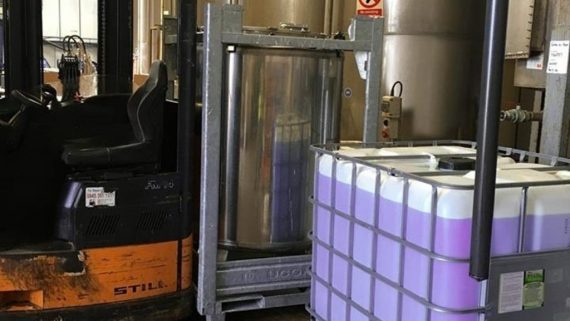
Controlled manufacturing environments help ensure that formulations are produced to defined specifications, supporting greater reliability throughout operational deployment.
For organisations operating across multiple sites, teams, or service environments, this stability becomes a significant contributor to performance consistency.
A resilient system depends upon resilient inputs.
Supporting Organisations at Every Scale
As organisations grow, maintaining consistency becomes more challenging.
Processes may expand across locations, teams, operational structures, and customer environments. Each additional layer of complexity increases the importance of dependable inputs.
This is where formulation control and manufacturing capability become strategic rather than purely technical considerations.
Organisations require suppliers capable of supporting:
- Consistent product availability
- Reliable formulation quality
- Scalable operational requirements
- Long-term continuity of supply
- Performance consistency across locations
At this stage, formulation stability becomes part of the wider operational framework rather than an isolated manufacturing consideration.
The Value of Predictability
One of the least discussed advantages of controlled formulation is predictability.
Predictability allows organisations to make decisions with greater confidence because outcomes become easier to anticipate and understand.
Where formulations perform consistently:
- Systems become easier to standardise
- Optimisation becomes easier to achieve
- Integration becomes easier to maintain
- Resilience becomes easier to support
This reinforces many of the themes explored throughout the wider article sequence.
The stronger the consistency of the input, the stronger the consistency of the outcome.
Beyond Product Performance
It is easy to view formulation purely through the lens of product effectiveness.
However, mature operational environments increasingly recognise formulation as part of a much larger system.
Its value extends beyond cleaning performance alone.
Controlled formulations contribute to:
- Operational consistency
- Deployment reliability
- Scalable performance
- Operational resilience
- System confidence
Viewed in this context, formulation becomes an operational asset rather than simply a consumable product.
Operational Confidence Through Controlled Inputs
Every stage of operational maturity relies on consistency.
Measurement requires reliable data.
Improvement requires stable foundations.
Standardisation requires repeatability.
Optimisation requires predictability.
Resilience requires dependable performance.
Controlled formulation supports each of these stages by creating confidence in the inputs that underpin the wider system.
The result is not merely improved product performance, but stronger operational performance overall.
Conclusion
Operational success is often measured through outcomes.
Yet outcomes are influenced by the quality, consistency, and stability of the inputs that support them.
As organisations continue to pursue greater operational maturity, formulation consistency becomes increasingly important. Reliable products contribute to reliable systems, supporting the repeatability, scalability, and resilience required for long-term performance.
Within waterless vehicle care, this relationship is particularly significant. Controlled formulations help create the conditions necessary for consistent application, predictable performance, and dependable operational outcomes across a wide range of environments.
Ultimately, the effectiveness of a system depends not only on how it is designed, but also on the consistency of the inputs that enable it to perform.
Pearl Quality Standards – engineered properly from the start.
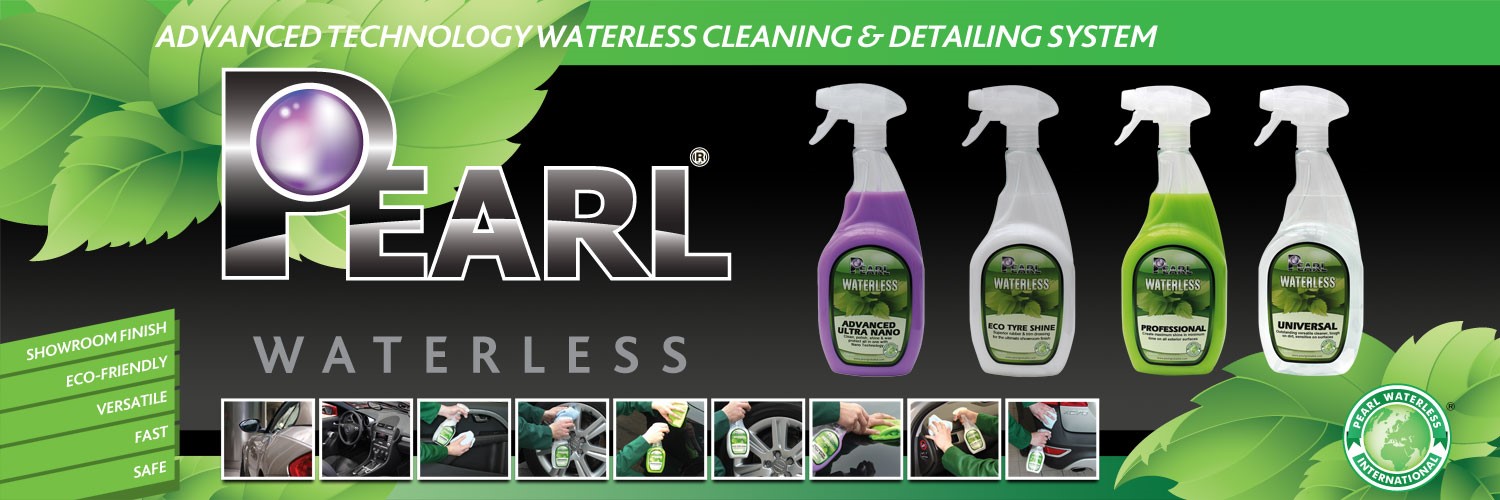
British manufacturing you can trust, partnering with domestic and international customers to deliver sustainable growth and lasting success.
© Pearl Global Ltd — ISO‑Certified British Manufacturing Excellence in Processes, Systems and Product Quality Standards
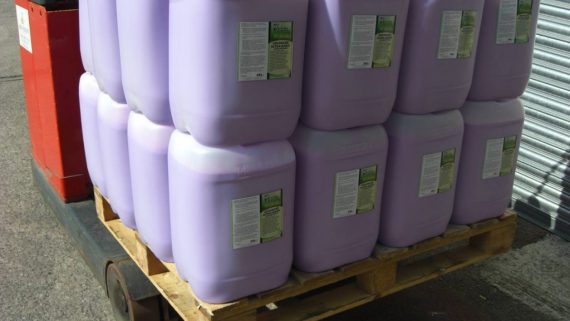
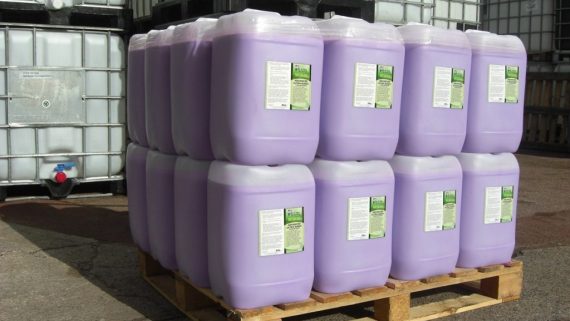
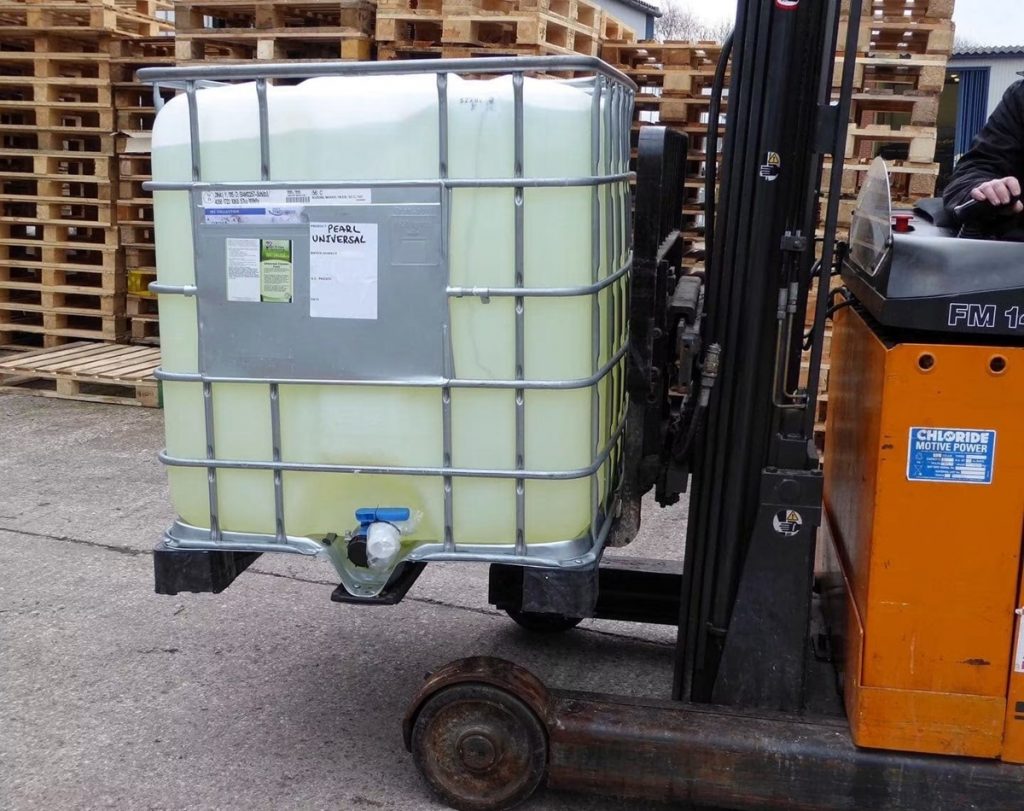
All Pearl products are engineered using safe, sustainable, environmentally responsible formulations, designed for professional performance with minimal environmental impact. Manufactured exclusively in the United Kingdom and available worldwide in 25L, 205L, and 1000L IBC formats, alongside a full range of premium Nano Ceramic coatings, detailing systems, and specialist maintenance solutions.
For product support or commercial trade enquiries, contact: sales@pearlgloballtd.com | +44 (0)845 874 0140
Stay updated — Subscribe to the Pearl Official Newsletter for product releases, ecological insights, and global business updates.
Pearl Official Channels & Resources
Pearl FAQ – Your central hub for answers to the most common questions about Pearl products, technologies, manufacturing standards, and global distribution.
Pearl Official YouTube – Explore demonstrations, application tutorials, product walk‑throughs, and professional detailing techniques.
Pearl Official Instagram – Discover visual highlights, partner showcases, behind‑the‑scenes content, and professional detailing results.
Pearl Official Facebook – Follow us for updates, product insights, partner news, and global waterless car care innovations.
Pearl Official X – Stay informed with quick updates, industry news, technical insights, and global announcements.
Pearl Official Pinterest – Browse collections of eco‑friendly detailing solutions, product features, and inspirational automotive care visuals.