Reflecting on sustainability, responsible resource management, and how everyday decisions influence the future of communities, economies, and the environment
Sustainability Day, observed annually on the fourth Wednesday of October, falls on 28 October 2026, providing an opportunity to reflect on one of the most widely discussed yet often misunderstood concepts in ... Read More


28
Oct2026
26
Oct2026
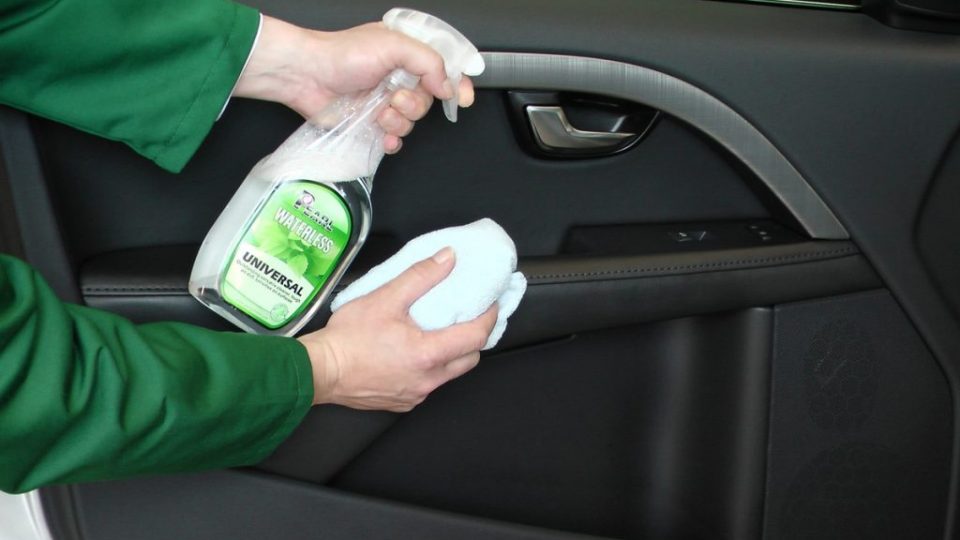
How neglected appearance standards can influence customer perception, asset value, operational confidence, and organisational reputation
Many organisations recognise the importance of vehicle presentation.
Far fewer consider the potential impact when presentation standards begin to decline.
Poor vehicle presentation is often viewed as a cosmetic issue. In reality, its influence can extend much further.
Across ... Read More

09
Oct2026
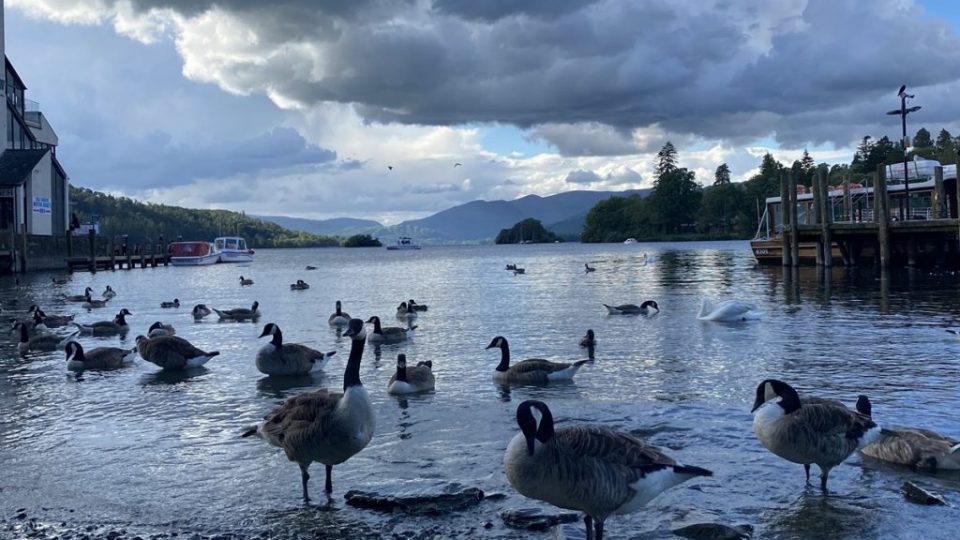
Supporting performance through British manufacturing, waterless innovation, advanced technologies, and global customer support
Operational performance is measured through outcomes.
Vehicles are presented to a high standard. Maintenance programmes are completed successfully. Customer expectations are met. Operational objectives are achieved.
However, the ability to deliver these outcomes consistently depends upon much more than the ... Read More
07
Oct2026
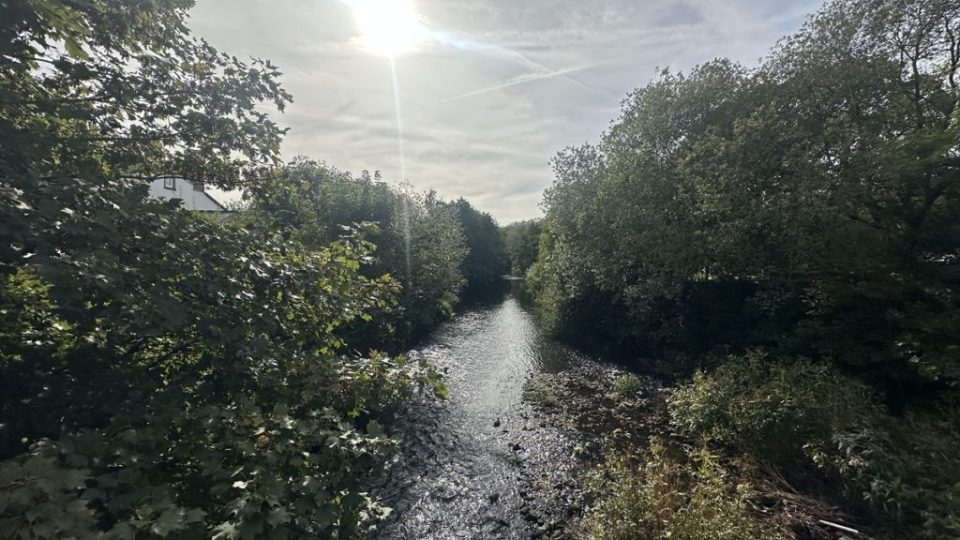
Reflecting on resource efficiency, operational performance, and how everyday decisions influence environmental outcomes
Energy Efficiency Day, observed annually on the first Wednesday of October, falls on 7 October 2026, providing an opportunity to reflect on one of the most practical yet often overlooked contributors to sustainability.
When environmental discussions take place, attention ... Read More
27
Sep2026
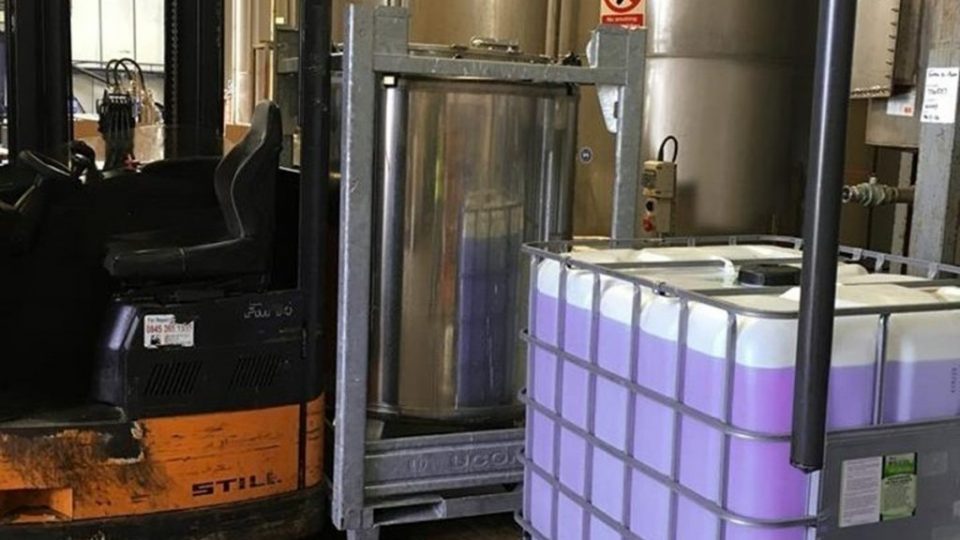
Reflecting on the ecological, cultural, and economic importance of rivers, and how everyday operational decisions influence the health of waterways worldwide
World Rivers Day, observed annually on the last Sunday of September, falls on 27 September 2026 and serves as a global reminder of the vital role rivers play in sustaining ... Read More
26
Aug2026
Supporting long-term vehicle care performance through controlled production, formulation stability, and reliable supply
Performance is often judged by outcomes.
Vehicles are cleaned. Standards are achieved. Operational objectives are met. Yet the consistency of those outcomes rarely begins at the point of application.
Instead, it begins much earlier.
Long before products reach users, fleets, marine ... Read More

07
Aug2026
How waterless vehicle care systems support continuity, adaptability, and reliable performance across changing operational environments
As organisations become more interconnected, operational performance is increasingly influenced by factors beyond the immediate process itself.
Efficiency remains important. Consistency remains essential. Integration allows activities to contribute to wider organisational objectives. However, as systems become more ... Read More

22
Jul2026
How controlled vehicle care systems create greater efficiency, reliability, and operational value across organisations of every size
As systems mature, priorities begin to change.
The early stages of operational development are often focused on capability. Processes are introduced, outcomes are improved, and performance becomes more consistent. Over time, these improvements are standardised ... Read More

08
Jul2026
How vehicle care systems evolve from ongoing refinement into defined, comparable, and repeatable operational standards
When Improvement Becomes Expectation
Continuous improvement represents a significant stage in operational maturity. It marks the point at which performance is no longer static and where systems are no longer repeated without reflection. ... Read More

19
Jun2026
How controlled systems turn vehicle care from operational activity into accountable, measurable performance
Across this series, the discussion has moved steadily from capability to delivery.
First, vehicle care was reconsidered without water.
Then risk, consistency, design, manufacturing, and scale followed.
The progression now reaches a different threshold.
Because once a system ... Read More