From Design to Delivery: Enabling Consistent Outcomes at Scale
Where consistency becomes embedded at scale through Infrastructure, Manufacturing, and System Alignment
Across this series, consistency has been examined through how it is observed, why it matters, how it is enabled, and what happens in its absence.
At this stage, the focus moves from principle to implementation.
Because consistency does not exist as an isolated concept.
It is the result of aligned systems working together — from product design through to how outcomes are delivered in practice.
From design to system execution
Product design defines how outcomes should behave.
Infrastructure, manufacturing, and supply chain determine whether those outcomes can be delivered consistently at scale.
This alignment is expressed through:
- How formulations are developed and controlled
- How manufacturing processes are structured and maintained
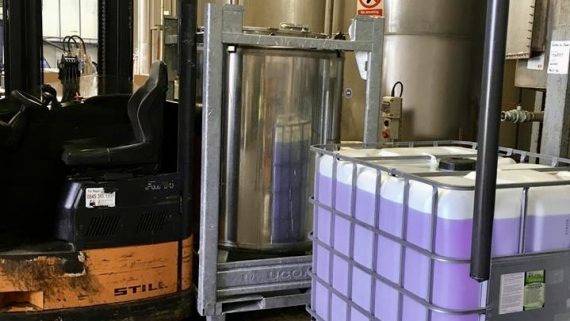
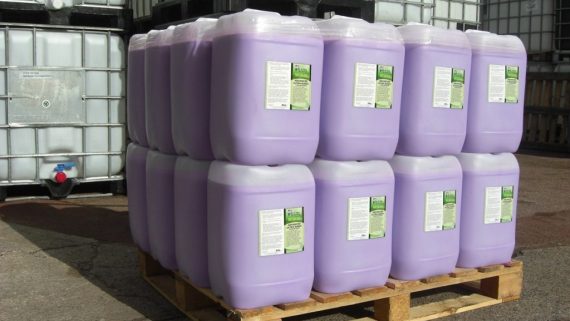
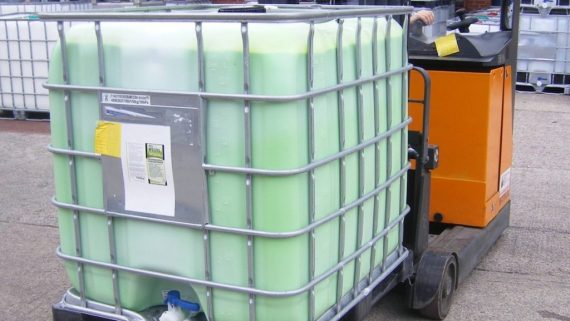
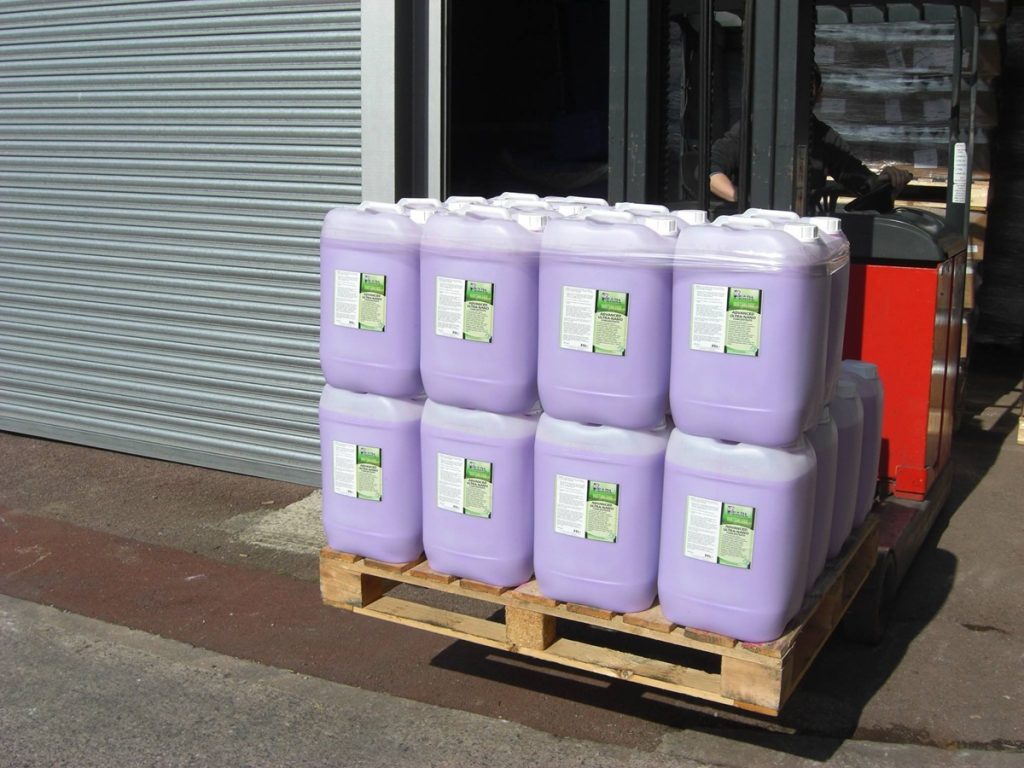
- How products are packaged, stored, and distributed
- How systems support repeatable use across environments
Where these elements are aligned, consistency is carried from design through to delivery.
The role of infrastructure
Infrastructure provides the foundation through which products are produced and delivered.
It determines how effectively design intent can be realised in practice.
This is reflected in:
- Controlled production environments that reduce variability
- Defined process flows that support repeatable output
- Handling and storage systems that maintain product integrity
- Distribution structures that preserve consistency across locations
Without this structure, variation is introduced before products reach the point of use.
Manufacturing as a control point
Manufacturing defines whether consistency can be sustained beyond initial design.
It translates formulation into repeatable output across volume and time.
This requires alignment across:
- Raw material selection and consistency
- Defined production processes and quality controls
- Batch stability and repeatability
- Continuous monitoring to maintain performance standards
Variation is inherent within all physical systems.
Managing it at the point of production reduces its impact later, where correction becomes more complex and costly.
Formulation and performance stability
The behaviour of a product is determined at the point of formulation.
It defines how it performs across different conditions, surfaces, and environments.
Effective formulation supports:
- Predictable behaviour across varied operational environments
- Reduced dependency on interpretation during application
- Stability during storage, handling, and transport
- Reliable outcomes regardless of user or condition
Where formulation is controlled, variation is reduced at its source.
Environmental responsibility through system design
Sustainability is not achieved through isolated measures.
It is defined by how systems reduce resource dependency while maintaining performance.
In vehicle care, traditional methods rely heavily on water, contributing to resource depletion and environmental impact.
Waterless systems address this by:
- Eliminating the need for high water consumption
- Preventing runoff and effluent contamination
- Reducing reliance on energy-intensive processes
- Supporting cleaner operational environments
Traditional car washing can consume significant volumes of water and contribute to pollution, whereas waterless cleaning significantly reduces both water use and environmental impact.
This shifts environmental performance from mitigation to design.
Operational impact across industries
When infrastructure, formulation, and manufacturing are aligned,
the impact extends beyond individual outcomes.
It influences how operations perform at scale.
This is seen in:
- Consistent results across multiple locations
- Reduced operational complexity
- Improved efficiency through predictable processes
- Lower dependency on corrective intervention
At this level, consistency not only supports quality but also operational performance and scalability.
Supporting modern automotive operations
The automotive industry continues to evolve in response to environmental, operational, and regulatory pressures.
Vehicle care must adapt accordingly.
Systems that are designed to operate without reliance on water or infrastructure:
- Enable flexibility across locations and environments
- Support mobile and fleet operations
- Reduce environmental constraints in urban and restricted settings
- Improve efficiency without compromising outcome quality
This reflects a shift from fixed, resource-dependent processes to adaptable, system-based solutions.
Consistency as an integrated system
Consistency is not achieved through a single element.
It is the result of multiple systems working together:
- Product design defines behaviour
- Formulation ensures stability
- Manufacturing controls variation
- Infrastructure supports delivery
- Operations ensure correct application
Where these elements are aligned, consistency becomes a characteristic of the system itself.
Closing perspective
Consistency does not begin at the point of use.
It is established through the decisions that define how products are designed, produced, and supported.
When infrastructure, manufacturing, and formulation are aligned, outcomes become repeatable, scalable, and reliable.
At this point, consistency is no longer something that needs to be managed.
It is something that is built in and carried through every stage of delivery.
Pearl Quality Standards – engineered properly from the start.
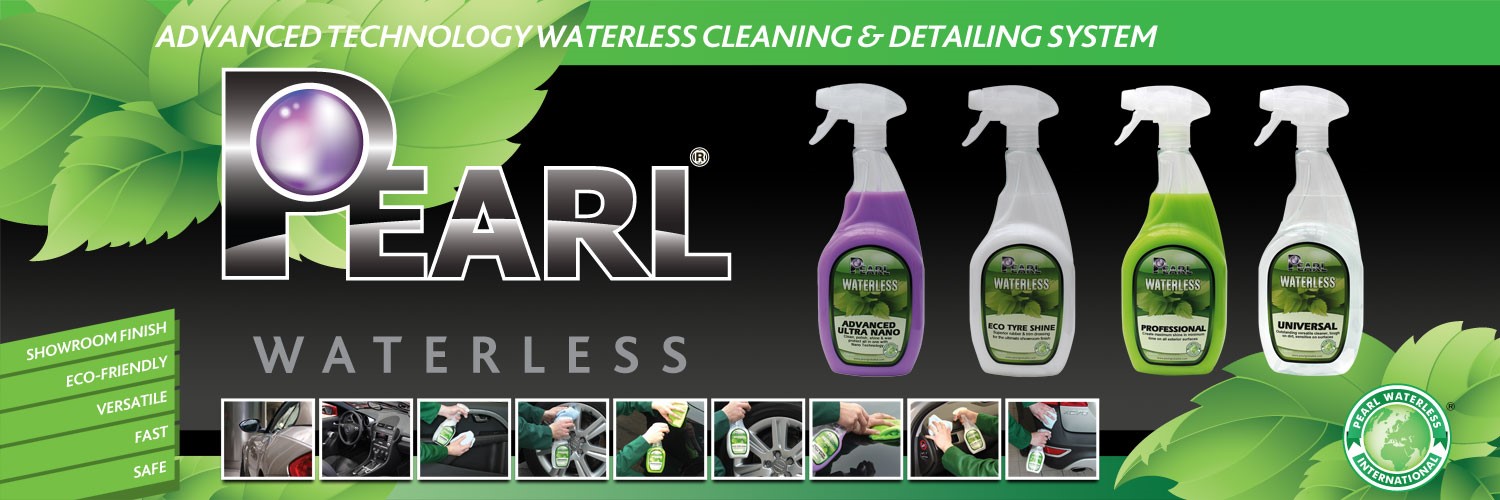
British manufacturing you can trust, partnering with domestic and international customers to deliver sustainable growth and lasting success.
© Pearl Global Ltd — ISO‑Certified British Manufacturing Excellence in Processes, Systems and Product Quality Standards
All Pearl products are engineered using safe, sustainable, environmentally responsible formulations, designed for professional performance with minimal environmental impact. Manufactured exclusively in the United Kingdom and available worldwide in 25L, 205L and 1000L IBC formats, alongside a full range of premium Nano Ceramic coatings, detailing systems and specialist maintenance solutions.
For product support or commercial trade enquiries, contact: sales@pearlgloballtd.com | +44 (0)845 874 0140
Stay updated — Subscribe to the Pearl Official Newsletter for product releases, ecological insights and global business updates.
Pearl Official Channels & Resources
Pearl FAQ – Your central hub for answers to the most common questions about Pearl products, technologies, manufacturing standards and global distribution.
Pearl Official YouTube – Explore demonstrations, application tutorials, product walk‑throughs and professional detailing techniques.
Pearl Official Instagram – Discover visual highlights, partner showcases, behind‑the‑scenes content and professional detailing results.
Pearl Official Facebook – Follow us for updates, product insights, partner news and global waterless car care innovations.
Pearl Official X – Stay informed with quick updates, industry news, technical insights and global announcements.
Pearl Official Pinterest – Browse collections of eco‑friendly detailing solutions, product features, and inspirational automotive care visuals.