Reflecting on resource efficiency, operational performance, and how everyday decisions influence environmental outcomes
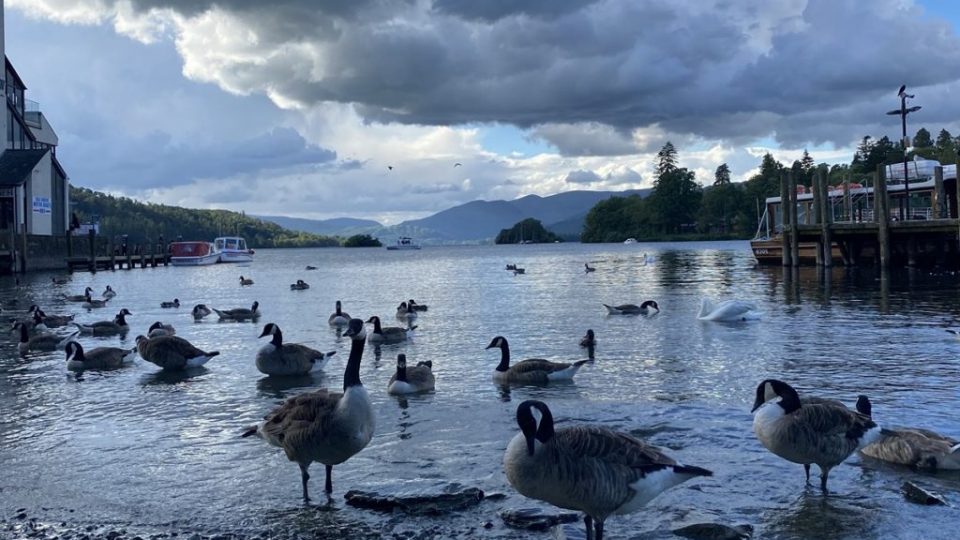
Energy Efficiency Day, observed annually on the first Wednesday of October, falls on 7 October 2026, providing an opportunity to reflect on one of the most practical yet often overlooked contributors to sustainability.
When environmental discussions take place, attention ... Read More

07
Oct2026
29
Sep2026
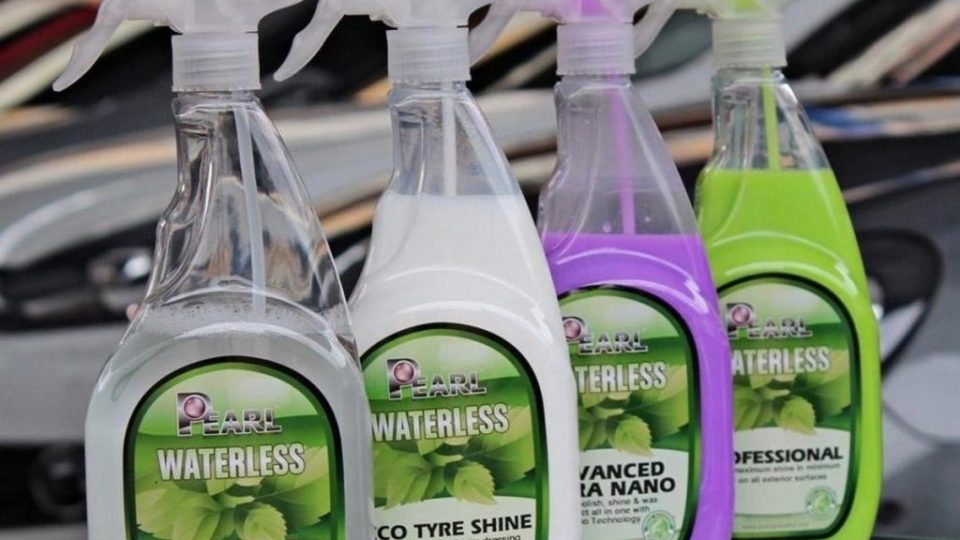
How expertise, infrastructure, and operational support help maintain consistent standards across diverse automotive and marine environments
Vehicle care requirements vary significantly from one market to another.
Operational conditions differ. Customer expectations vary. Resource availability changes. Environmental considerations evolve. The challenges faced by a mobile operator serving local customers are often very different ... Read More

27
Sep2026
Reflecting on the ecological, cultural, and economic importance of rivers, and how everyday operational decisions influence the health of waterways worldwide
World Rivers Day, observed annually on the last Sunday of September, falls on 27 September 2026 and serves as a global reminder of the vital role rivers play in sustaining ... Read More
21
Sep2026
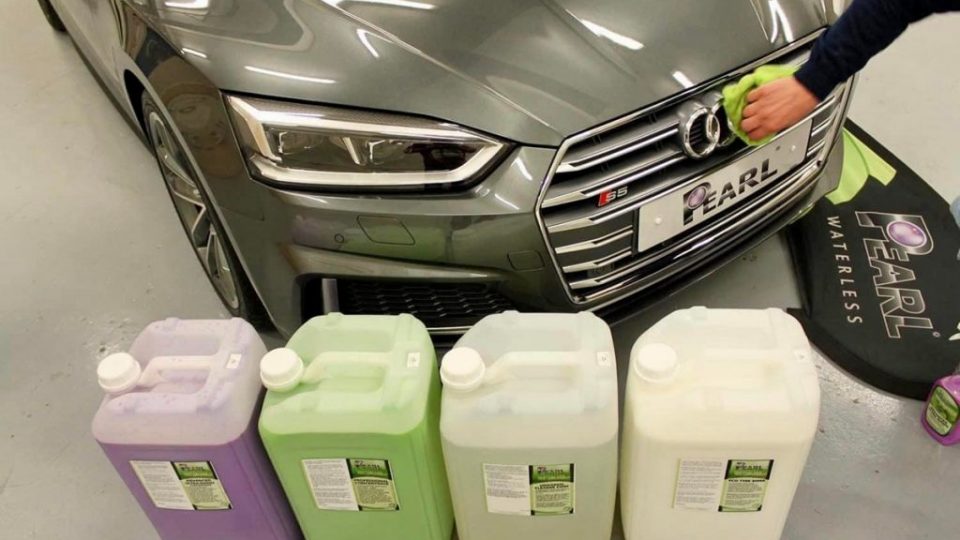
Why availability, continuity, and dependable product support increasingly influence operational performance
Operational performance is often associated with quality, consistency, and reliability.
Products must perform as expected. Processes must support operational requirements. Standards must remain achievable over time.
However, another factor increasingly influences whether those standards can be maintained successfully.
Availability.
Even the most effective vehicle ... Read More
14
Sep2026
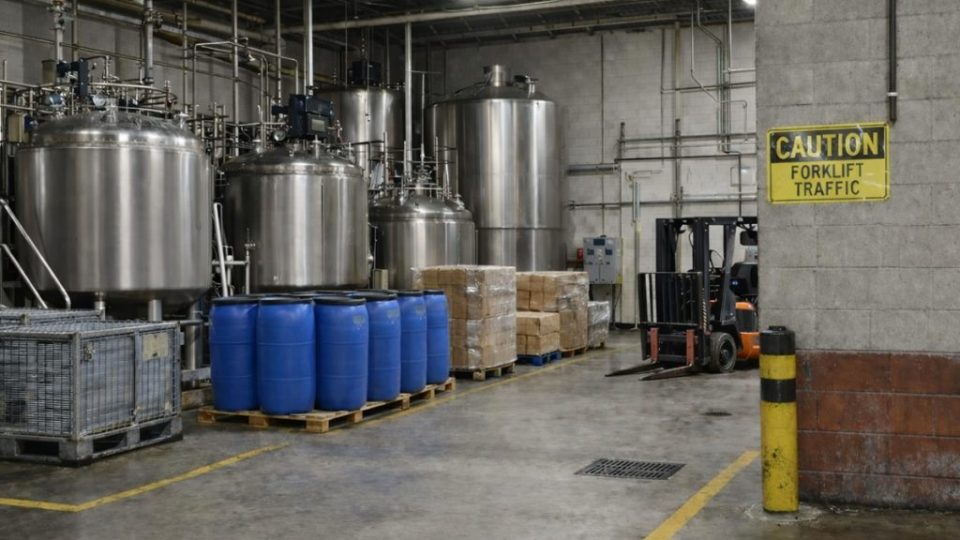
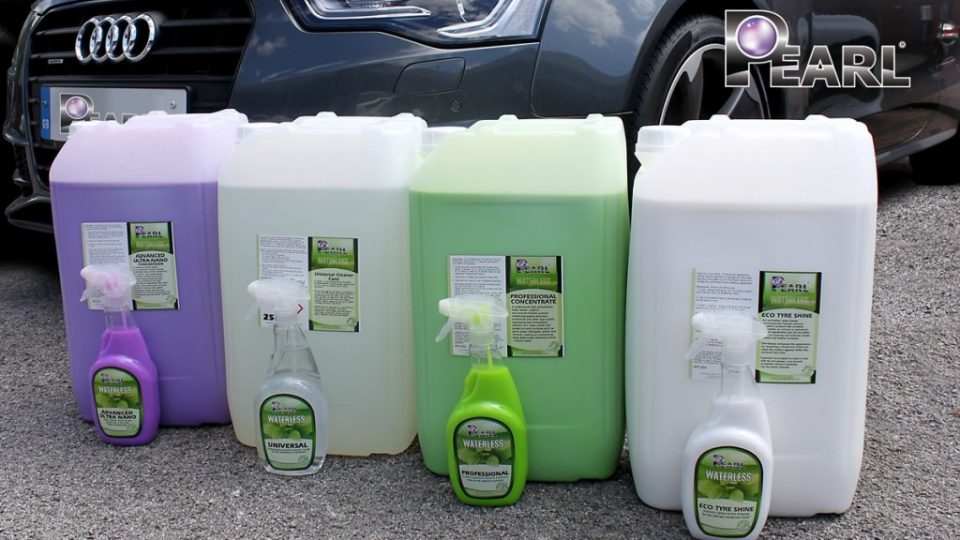
Why production infrastructure, quality control, and supply capability increasingly influence operational performance across the automotive and marine industries
Vehicle care performance is often evaluated at the point of use.
A product is applied. A process is completed. An outcome is achieved.
Yet the ability to deliver consistent results repeatedly across different locations, industries, ... Read More
08
Sep2026
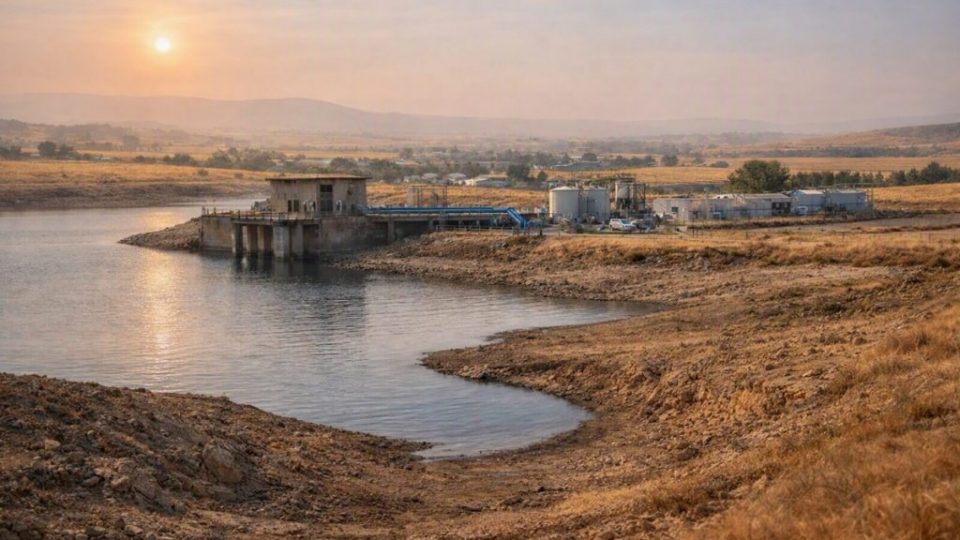
How waterless vehicle care systems adapt to support individual operators, growing organisations, and large-scale automotive and marine operations
Operational requirements rarely remain static.
What works effectively for a single operator does not always translate directly to a multi-site organisation. Similarly, systems designed for local deployment may face different challenges when supporting larger ... Read More
21
Aug2026
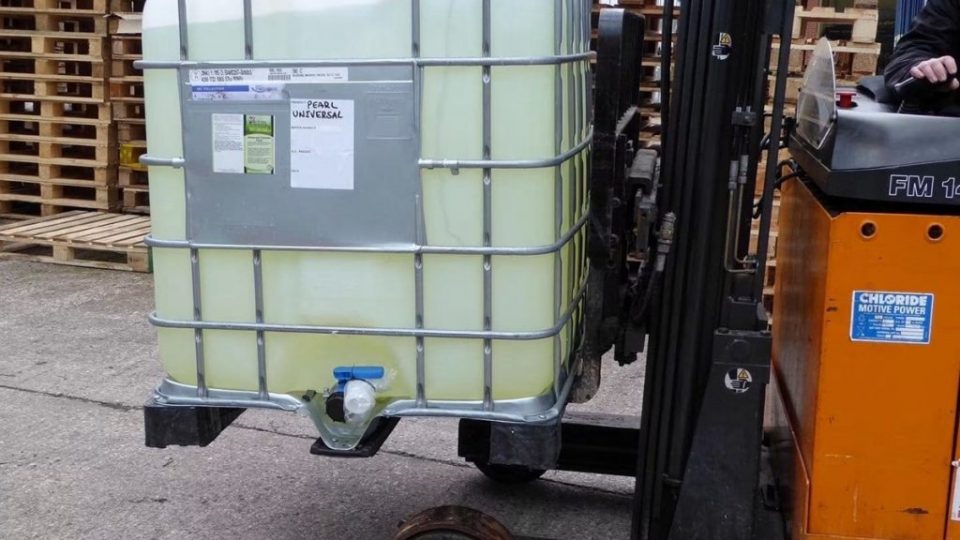
Reflecting on water responsibility, climate resilience, and how everyday systems influence long-term resource sustainability
World Water Week, taking place from 23–27 August 2026, provides an opportunity to reflect on one of the world's most valuable and increasingly pressured resources.
Water supports every aspect of modern life. It sustains communities, agriculture, manufacturing, transportation, ... Read More
13
Aug2026
How formulation consistency influences operational reliability, repeatability, and long-term performance across vehicle care systems
Operational systems are often evaluated according to how they perform.
Processes are measured. Outcomes are observed. Performance is reviewed against expectations and standards.
However, the systems themselves are only one part of the equation.
Behind every operational process sits a ... Read More

07
Aug2026
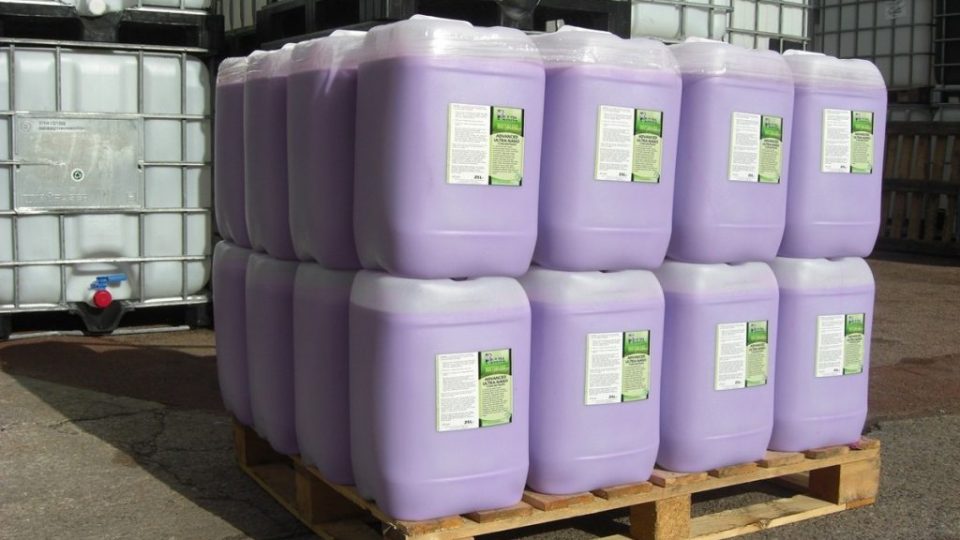
How waterless vehicle care systems support continuity, adaptability, and reliable performance across changing operational environments
As organisations become more interconnected, operational performance is increasingly influenced by factors beyond the immediate process itself.
Efficiency remains important. Consistency remains essential. Integration allows activities to contribute to wider organisational objectives. However, as systems become more ... Read More
30
Jul2026
How waterless vehicle care systems contribute to wider operational performance, sustainability, and resource management objectives
As organisations mature, individual processes rarely remain isolated.
Activities that were once viewed as standalone operational tasks are increasingly integrated into broader organisational objectives. Decisions relating to efficiency, sustainability, resource utilisation, compliance, and operational performance begin to ... Read More