From Integrated Operational Systems to Operational Resilience
How waterless vehicle care systems support continuity, adaptability, and reliable performance across changing operational environments
As organisations become more interconnected, operational performance is increasingly influenced by factors beyond the immediate process itself.
Efficiency remains important. Consistency remains essential. Integration allows activities to contribute to wider organisational objectives. However, as systems become more connected, a new consideration begins to emerge.
How well can those systems continue to perform when circumstances change?
Operational environments rarely remain static. Resource availability, infrastructure access, environmental conditions, regulatory requirements, and customer expectations can all evolve over periods of time. The organisations best positioned to succeed are often those capable of adapting without compromising performance.
This ability is commonly described as operational resilience.
For vehicle care systems, resilience is not simply about responding to disruption. It is about creating processes capable of maintaining performance across a wide range of operational environments while remaining adaptable, efficient, and sustainable.
Why Resilience Has Become Increasingly Important
Historically, many operational systems were designed around predictability. Processes were established under stable conditions, supported by available infrastructure and consistent resources.
Modern operations are different.
Organisations increasingly operate across multiple locations, varying environments, diverse customer requirements, and changing operational demands. Systems that depend heavily on specific conditions can quickly become vulnerable when those conditions change.
This does not necessarily mean the system itself has failed.
Rather, it highlights the importance of designing processes that can continue operating effectively despite changing circumstances.
Operational resilience is therefore not simply about recovery. It is about maintaining capability.
Beyond Continuity
Resilience is often associated with business continuity.
While continuity is an important component, resilience extends much further.
A resilient system should be capable of:
- Adapting to changing conditions
- Maintaining operational effectiveness
- Reducing exposure to disruption
- Supporting consistent performance
- Sustaining long-term operational objectives
The strongest systems are not necessarily those that never face challenges. They are the systems that continue to perform effectively when challenges arise.
The Relationship Between Dependency and Vulnerability
One of the most significant influences on resilience is dependency.
The more external conditions required to support a process, the greater the number of factors that can affect performance.
This principle applies across many operational activities.
Where systems depend upon multiple supporting resources, infrastructure requirements, environmental conditions, or administrative controls, resilience becomes increasingly difficult to maintain.
Each dependency introduces another potential constraint.
As organisations seek greater resilience, reducing unnecessary dependencies often becomes a priority.
This is one reason why operational simplicity is increasingly valued in mature systems.
Where Waterless Vehicle Care Strengthens Resilience
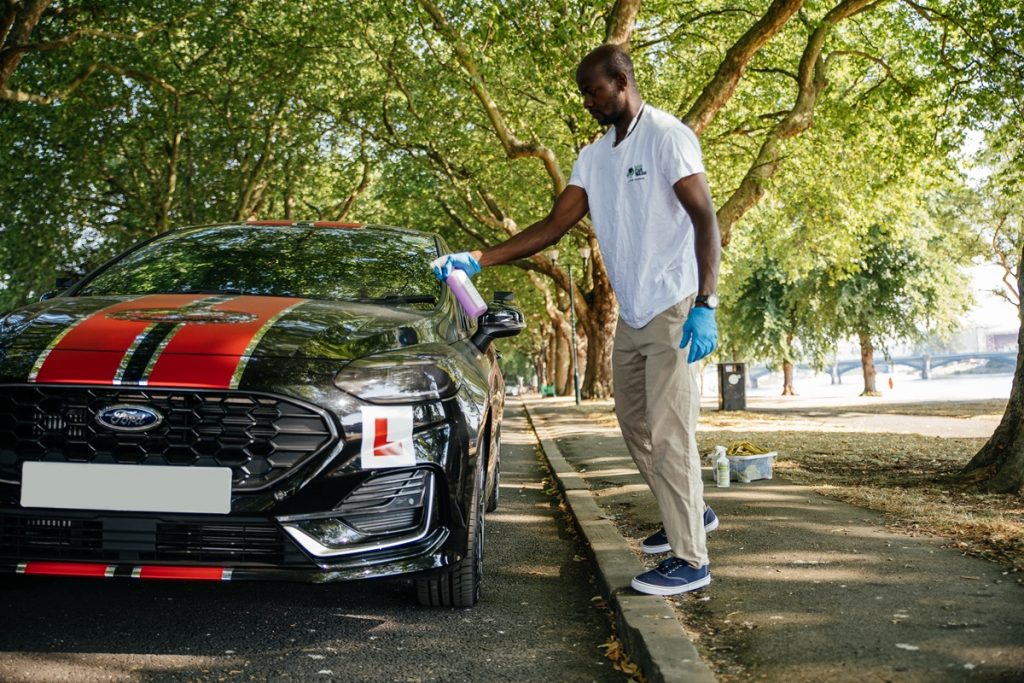
Waterless vehicle care offers a fundamentally different operating model because it removes one of the most significant dependencies traditionally associated with vehicle cleaning.
Rather than requiring continuous access to water and the infrastructure needed to support its use, waterless systems allow vehicle care activities to operate with greater flexibility and fewer operational constraints.
The benefits extend beyond environmental considerations.
Waterless vehicle care can contribute to operational resilience through:
- Reduced reliance on water availability
- Reduced dependency on supporting infrastructure
- Simplified deployment requirements
- Increased operational flexibility
- Improved adaptability across locations
- Reduced resource consumption
- Greater continuity of service delivery
These advantages become increasingly valuable where organisations operate across multiple sites or changing operational environments.
Resilience Across Different Operating Environments
Modern organisations rarely function within a single environment.
Operations may extend across urban locations, remote facilities, customer sites, logistics hubs, service centres, and temporary operating environments. Each location can present different challenges.
Maintaining consistency across these environments requires systems capable of adapting without introducing unnecessary complexity.
These advantages become increasingly valuable where organisations operate across multiple sites or changing operational environments.
This is where resilience becomes practical rather than theoretical.
Processes that can be deployed consistently regardless of location often provide advantages that extend beyond the immediate task itself. They reduce planning complexity, support operational continuity, and simplify management across diverse operating environments.
Waterless systems support this adaptability by reducing the operational requirements traditionally associated with vehicle care activities.
Supporting Resilience Through Manufacturing Consistency
Operational resilience is influenced not only by how systems are deployed but also by the consistency of the resources that support them.
Reliable operational performance depends upon reliable inputs.
Where products vary significantly in formulation, behaviour, or availability, additional variability is introduced into the wider system. This can reduce predictability and make resilience more difficult to maintain.
For this reason, controlled manufacturing environments play an increasingly important role in operational resilience.
Where formulations are developed, produced, and managed consistently, operational outcomes become easier to sustain across different environments and periods of time.
This is particularly important for organisations seeking stable vehicle care performance across multiple sites, regions, or operational structures.
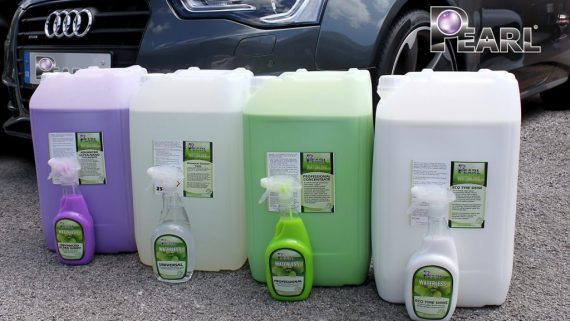
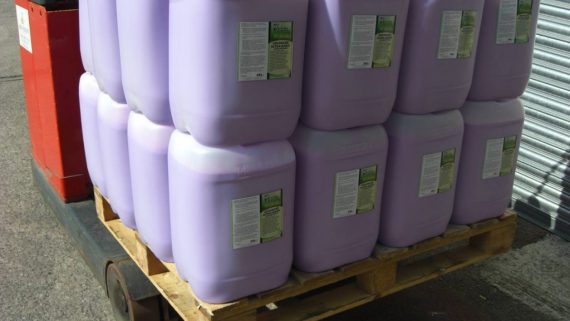
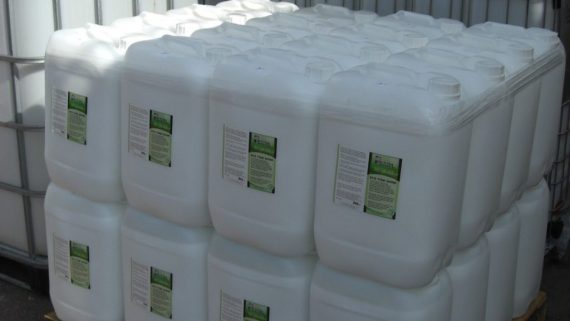
Where such systems are supported by controlled manufacturing infrastructure, such as that maintained by Pearl, resilience benefits from both operational flexibility and formulation consistency.
Resilience and Sustainability Working Together
Operational resilience and sustainability are frequently discussed as separate objectives.
In practice, they often support one another.
Processes that consume fewer resources, require less supporting infrastructure, and operate with greater efficiency can contribute positively to both areas.
Waterless vehicle care demonstrates this relationship clearly.
Reducing water consumption supports environmental objectives while also reducing dependency on a resource that may be subject to restrictions, infrastructure limitations, or operational constraints.
In this way, sustainability benefits can also strengthen operational resilience.
The relationship is complementary rather than competing.
Building Systems Designed to Adapt
The future of operational performance is unlikely to be defined solely by efficiency.
Increasingly, it will be defined by adaptability.
Organisations need systems that can respond to changing conditions without continually requiring redesign or intervention. This means creating processes that are flexible enough to accommodate change while remaining stable enough to maintain performance.
Resilient systems achieve this balance.
They provide consistency without rigidity and adaptability without unnecessary complexity.
Waterless vehicle care supports these characteristics by removing dependencies that might otherwise limit flexibility while maintaining the ability to deliver consistent outcomes.
Operational Maturity Through Resilience
Every stage of operational maturity builds upon the one before it.
Measurement creates visibility.
Continuous improvement reduces variation.
Standardisation creates consistency.
Optimisation increases effectiveness.
Integration aligns activities with broader organisational objectives.
Resilience strengthens the ability of those systems to continue performing as conditions evolve.
This progression reflects a broader shift in operational thinking. Performance is no longer judged solely by how efficiently a process operates under ideal conditions. Increasingly, value is determined by how effectively that process continues to perform when circumstances change.
Conclusion
Operational resilience is not achieved through complexity.
It is achieved through clarity, adaptability, and the reduction of unnecessary dependencies.
As organisations continue to evolve, systems capable of maintaining performance across changing environments will become increasingly valuable. Processes that combine flexibility, consistency, sustainability, and operational reliability are often best positioned to support long-term organisational success.
Waterless vehicle care plays an important role in this progression. By reducing dependence on water, simplifying deployment, supporting sustainability objectives, and enabling greater operational flexibility, it contributes to more resilient operational systems across organisations of every size.
Ultimately, resilience is not simply about withstanding change.
It is about continuing to perform effectively because systems were designed to adapt in the first place.
Pearl Quality Standards – engineered properly from the start.
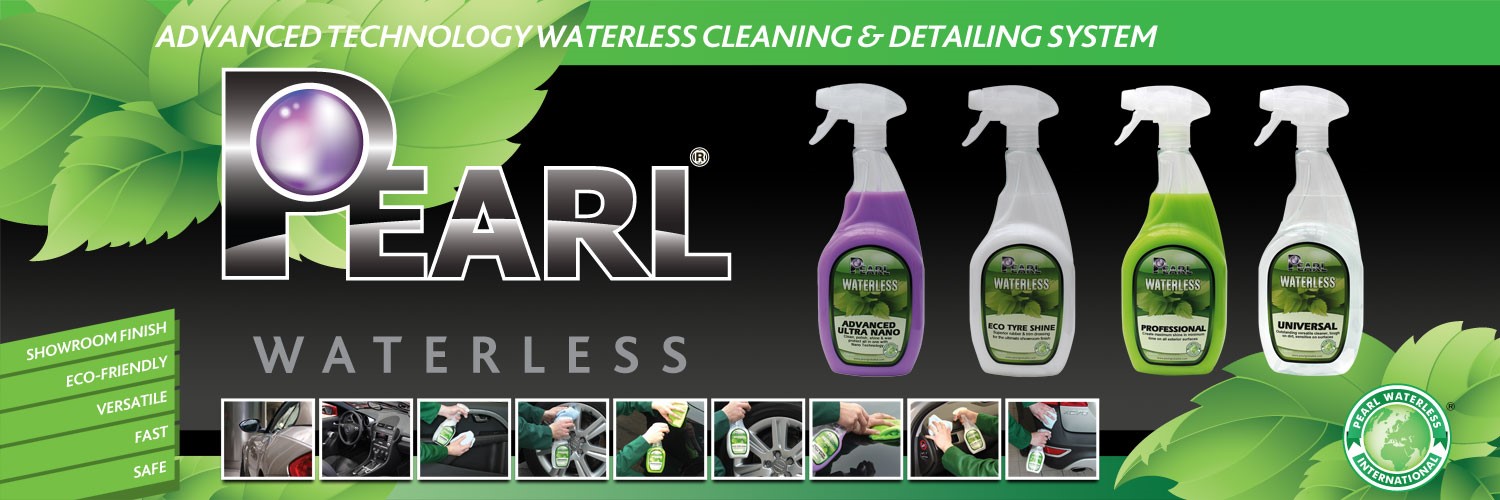
British manufacturing you can trust, partnering with domestic and international customers to deliver sustainable growth and lasting success.
© Pearl Global Ltd — ISO‑Certified British Manufacturing Excellence in Processes, Systems and Product Quality Standards
All Pearl products are engineered using safe, sustainable, environmentally responsible formulations, designed for professional performance with minimal environmental impact. Manufactured exclusively in the United Kingdom and available worldwide in 25L, 205L, and 1000L IBC formats, alongside a full range of premium Nano Ceramic coatings, detailing systems, and specialist maintenance solutions.
For product support or commercial trade enquiries, contact: sales@pearlgloballtd.com | +44 (0)845 874 0140
Stay updated — Subscribe to the Pearl Official Newsletter for product releases, ecological insights, and global business updates.
Pearl Official Channels & Resources
Pearl FAQ – Your central hub for answers to the most common questions about Pearl products, technologies, manufacturing standards, and global distribution.
Pearl Official YouTube – Explore demonstrations, application tutorials, product walk‑throughs, and professional detailing techniques.
Pearl Official Instagram – Discover visual highlights, partner showcases, behind‑the‑scenes content, and professional detailing results.
Pearl Official Facebook – Follow us for updates, product insights, partner news, and global waterless car care innovations.
Pearl Official X – Stay informed with quick updates, industry news, technical insights, and global announcements.
Pearl Official Pinterest – Browse collections of eco‑friendly detailing solutions, product features, and inspirational automotive care visuals.