From Measurement to Continuous Improvement
How measurable vehicle care systems enable ongoing refinement, control, and operational progression at scale
When Measurement Is Not Enough
The ability to measure performance represents a significant shift, particularly where vehicle care systems reduce variability at source.
It allows systems to move beyond an assumption, introducing clarity and providing visibility into how processes perform in practice. But measurement does not, on its own, change outcomes. It only reveals how a system behaves.
This distinction is important. Many processes reach a point where performance can be observed without being meaningfully improved. Data is collected, trends are noted, and reports are produced, yet the process itself continues largely unchanged.
Where Improvement Begins
Improvement begins where measurement is acted upon—not occasionally, but as part of a structured and continuous process.
Once performance can be measured consistently, it becomes possible to identify variation, understand its source, and reduce its impact. Outcomes can then be stabilised and progressively refined.
This becomes particularly relevant where vehicle care systems operate without reliance on water. By removing variability associated with fluid volume, delivery pressure, dilution, and environmental conditions, the process becomes easier to observe and compare. The system, in effect, becomes more measurable.
From Observation to Intervention
Measurement creates awareness. Improvement requires intervention.
Without intervention, measurement remains passive. Performance is observed but not influenced. With intervention, measurement becomes part of a controlled process—where deviations trigger response, and systems are adjusted deliberately.
This is where operations move from being monitored to being managed.
Why Variation Must Be Reduced
No system operating at scale is free from variation. The difference lies in how well that variation is controlled.
Where variation is simply accepted, inconsistency persists. Where it is measured but unmanaged, inefficiencies remain. Where it is understood and reduced, performance stabilises.
In vehicle care, the removal of water from the process eliminates a key source of variability.
There are no fluctuations in:
- Water volume
- Pressure delivery
- Dilution effects
- Runoff behaviour
This creates a more stable operational baseline, from which variation can be more accurately identified and addressed.
The Role of System Design in Improvement
Continuous improvement is not driven by effort alone. It depends on how the system itself is structured.
Where systems are loosely defined, measurement lacks clarity, and improvement becomes uncertain. Where systems are controlled, inputs are consistent, processes repeatable, and outcomes comparable.
Waterless vehicle care contributes directly to this level of control. By removing dependency on external inputs, the system becomes more internally defined, improving the reliability of both measurement and refinement.
From Metrics to Action
A common challenge is not a lack of data, but a lack of direction.
Metrics are gathered, and performance is tracked, yet the relationship between data and action is often unclear. For measurement to lead to improvement, it must be:
- Relevant to the process
- Directly linked to outcomes
- Actionable in practice
Where systems are stable, changes in performance can be traced more clearly to process or input, rather than external variation. This allows measurement to inform decisions, rather than simply describe outcomes.
Improvement at Scale
As scale increases, the importance of improvement becomes more apparent.
Small inefficiencies compound. Minor variation becomes more visible. Differences in performance begin to affect outcomes across locations, teams, and conditions.
Water-dependent processes often introduce variability that increases with scale. Removing this dependency allows improvement efforts to focus on the system itself, rather than compensating for environmental fluctuation.
At this stage, improvement is no longer optional. It becomes necessary to maintain consistency, efficiency, and reliability.
From Stability to Refinement
Operational maturity follows a progression:
- Processes are performed
- Systems are implemented
- Performance is measured
- Variation is understood
- Improvement is applied
Only at this point does meaningful control exist.
The system is no longer static. It becomes capable of refinement—adapting based on observed performance, rather than remaining fixed in its initial design.
Beyond Maintenance
Improvement is often confused with maintenance, but the two serve different purposes.
Maintenance preserves existing performance. Improvement changes it.
In vehicle care, maintenance ensures processes continue. Improvement ensures those processes become more effective over time.
Where water-related variability has been removed, this distinction becomes clearer. Processes no longer need to be stabilised against external fluctuation, allowing improvement to focus on internal system behaviour.
Operational Maturity and Progression
Measurement makes performance visible. Improvement makes performance better.
When both are embedded within a controlled system, operations begin to evolve in a structured and deliberate way. Performance is no longer defined solely by outcome, but by the consistency with which outcomes are achieved and the capacity of the system to reduce variation over time.
This becomes more reliable where the system itself has been simplified. In vehicle care, the removal of water eliminates several external influences, allowing both measurement and refinement to operate with greater precision.
Over time, this leads to a more stable operational foundation. Systems become easier to manage, performance easier to interpret, and improvement is more consistent in its effect.
Measurement provides direction. Improvement provides progression. Together, they establish a system capable of developing continuously, without introducing unnecessary complexity.
Pearl Quality Standards – engineered properly from the start.
British manufacturing you can trust, partnering with domestic and international customers to deliver sustainable growth and lasting success.
© Pearl Global Ltd — ISO‑Certified British Manufacturing Excellence in Processes, Systems and Product Quality Standards
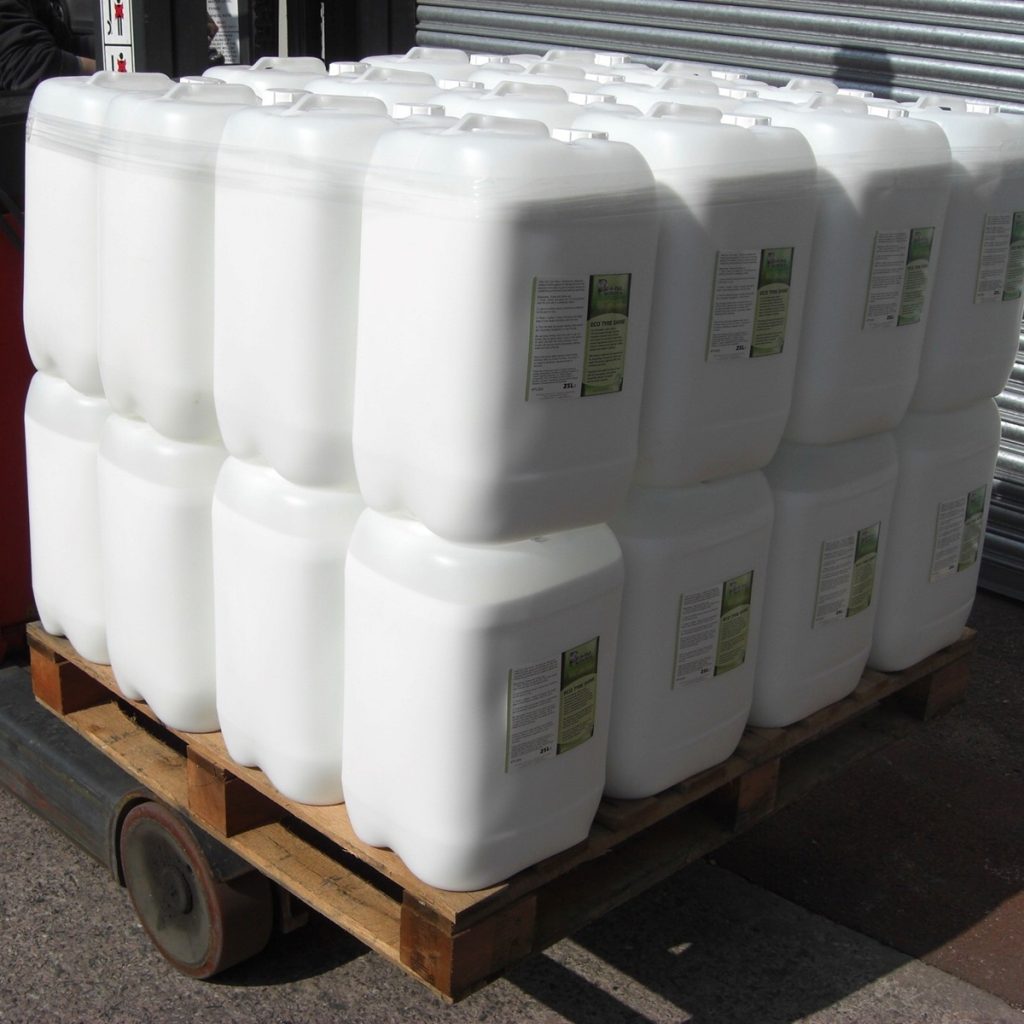
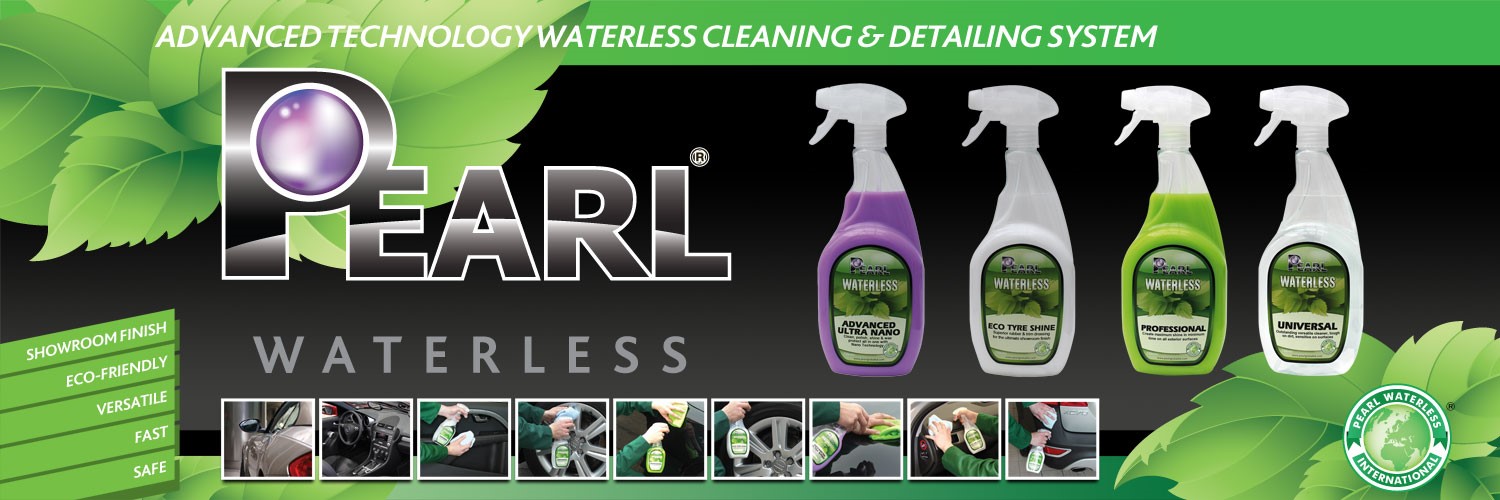
All Pearl products are engineered using safe, sustainable, environmentally responsible formulations, designed for professional performance with minimal environmental impact. Manufactured exclusively in the United Kingdom and available worldwide in 25L, 205L and 1000L IBC formats, alongside a full range of premium Nano Ceramic coatings, detailing systems and specialist maintenance solutions.
For product support or commercial trade enquiries, contact: sales@pearlgloballtd.com | +44 (0)845 874 0140
Stay updated — Subscribe to the Pearl Official Newsletter for product releases, ecological insights and global business updates.
Pearl Official Channels & Resources
Pearl FAQ – Your central hub for answers to the most common questions about Pearl products, technologies, manufacturing standards and global distribution.
Pearl Official YouTube – Explore demonstrations, application tutorials, product walk‑throughs and professional detailing techniques.
Pearl Official Instagram – Discover visual highlights, partner showcases, behind‑the‑scenes content and professional detailing results.
Pearl Official Facebook – Follow us for updates, product insights, partner news and global waterless car care innovations.
Pearl Official X – Stay informed with quick updates, industry news, technical insights and global announcements.
Pearl Official Pinterest – Browse collections of eco‑friendly detailing solutions, product features, and inspirational automotive care visuals.