How Product Design Enables Consistent Outcomes
Moving from intention to repeatable delivery
Across this series, consistency has been explored as something that becomes visible through outcomes and significant through its influence on performance.
At this stage, the focus shifts further upstream.
Because consistent outcomes do not emerge during operation alone.
They are shaped by the decisions that define how products are designed, produced, and applied.
Where these decisions are considered early, consistency becomes achievable.
Where they are not, variation persists regardless of intent.
The relationship between product design and consistency
Consistency in practice is not maintained through supervision.
It is enabled by systems that support repeatable behaviour.
At the centre of those systems sits product design.
Not only in terms of formulation, but in how products:
- Behave under different conditions
- Interact with surfaces, equipment, and environments
- Enable the same outcome across different users and applications
- Reduce reliance on individual decisions
When product design supports these objectives, outcomes become stable.
When it does not, even well-defined processes begin to vary.
Designing for real-world environments
Operational environments introduce variability.
Differences in:
- Vehicle types and surface conditions
- Location, weather, and access to infrastructure
- User experience and interpretation
- Time pressures and operational constraints
All influence how work is carried out.
Products that depend on ideal conditions may perform well in controlled settings, but struggle to deliver consistency at scale.
By contrast, product design that accounts for these variables:
- Maintains performance across environments
- Reduces sensitivity to external conditions
- Supports repeatable outcomes under real-world constraints
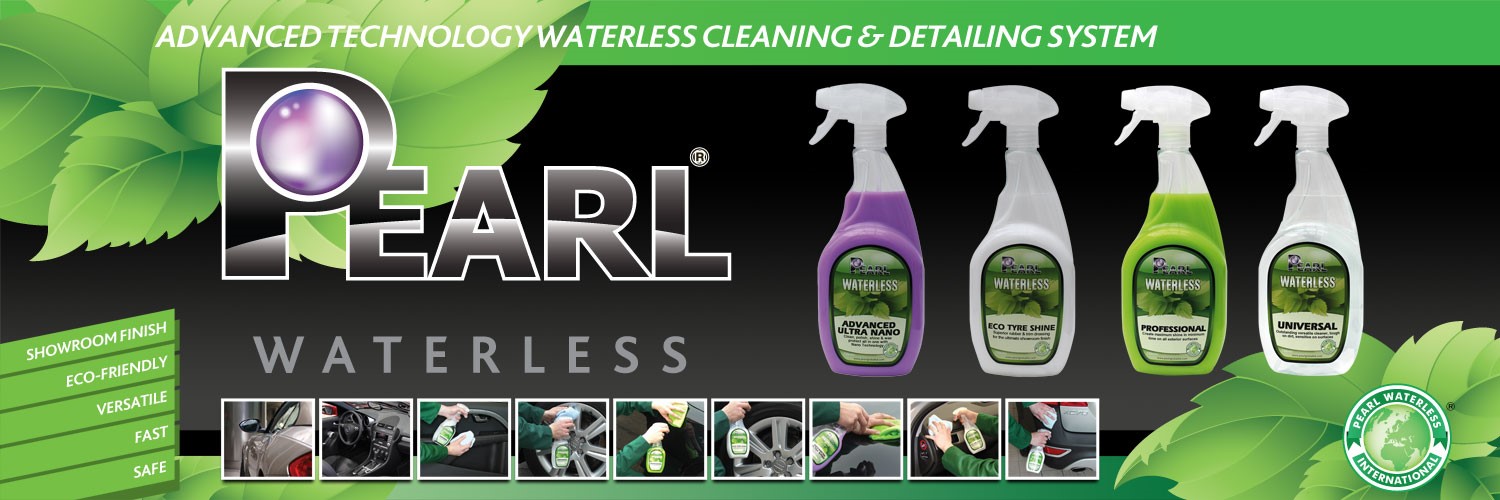
This is reflected in waterless vehicle care systems, where performance is designed to remain stable without reliance on infrastructure such as water supply or drainage, supporting consistent outcomes across varied operational environments.
In this way, design determines whether consistency can extend beyond a single point of control.
Reducing variation at the point of use
One of the primary sources of inconsistency in operations is variation at the point of application.
This often arises where:
- Processes require interpretation
- Inputs are not controlled
- Products behave differently depending on conditions
Effective product design reduces this dependency.
It achieves this by:
- Standardising how products are used
- Controlling the relationship between input and outcome
- Enabling predictable behaviour across different users
When fewer decisions are required during execution, outcomes become less variable.
Consistency, therefore, becomes embedded in the process itself.
Manufacturing consistency into every unit
Consistency in outcomes depends on consistency in what is delivered.
This begins with manufacturing. Where formulation, batching, and quality control are precisely defined:
- Each product unit performs in the same way
- Outcomes remain stable over time
- Variation is minimised before the point of use
This requires:
- Controlled production processes
- Verified formulation standards
- Continuous quality assurance
Within Pearl, this level of consistency is addressed through controlled formulation, defined production processes, and continuous quality assurance — ensuring that every unit performs in the same way regardless of where it is applied.
Without this foundation, consistency cannot be achieved in practice, regardless of operational intent.
Supporting sustainable outcomes through design
Product design influences both consistency and environmental impact.
In vehicle care operations, this becomes particularly significant.
Well-designed systems can:
- Eliminate the need for water in cleaning processes
- Prevent runoff and effluent contamination
- Reduce resource consumption
- Lower carbon impact associated with transport, water usage, and infrastructure
At Pearl, product design has been developed to support effective vehicle care without water, eradicating runoff, preventing effluent pollution, and reducing the environmental impact associated with traditional cleaning methods.
By enabling effective cleaning without water, product design supports both operational consistency and environmental responsibility.
These outcomes are not separate. They are achieved through the same design decisions.
Consistency across the supply chain
Consistency is not confined to production or application.
It extends across the entire supply chain.
From formulation and manufacturing, through:
- Packaging
- Storage
- Handling
- Distribution
Each stage contributes to whether the final outcome remains consistent.
Where systems are aligned:
- Product integrity is maintained
- Handling is predictable
- Delivery supports operational requirements
The result is a seamless transition from production to use.
From design to outcome
At this stage in the sequence, the relationship becomes clear:
Consistency in outcomes is not created during operation. It is enabled long before that point.
Through:
- Product formulation
- Manufacturing standards
- Environmental design considerations
- Supply chain alignment
These elements define how reliably outcomes can be reproduced.
Closing perspective
Consistency in practice reflects the alignment of multiple systems.
Product design is one of the most critical of these.
Where it is considered in full:
- Outcomes become predictable
- Effort is reduced
- Systems perform with greater stability
Where it is not, variation remains.
Because consistency is not something that can be established through correction after the fact.
It is something that must be engineered from the start.
This is why consistency is not only a function of process, but of how products are designed, manufactured, and delivered — ensuring that organisations can achieve reliable outcomes across environments while reducing operational and environmental impact.
Pearl Quality Standards – engineered properly from the start.
British manufacturing you can trust, partnering with domestic and international customers to deliver sustainable growth and lasting success.
© Pearl Global Ltd — ISO‑Certified British Manufacturing Excellence in Processes, Systems and Product Quality Standards
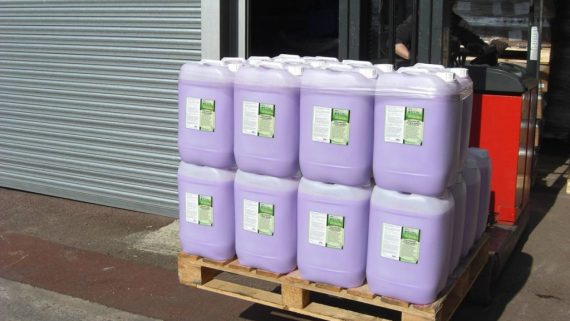
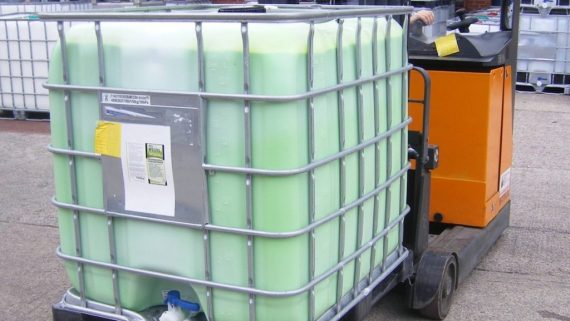
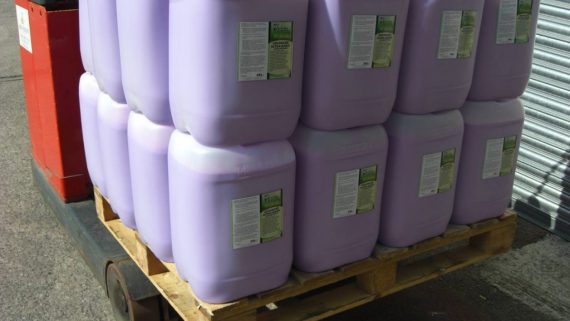
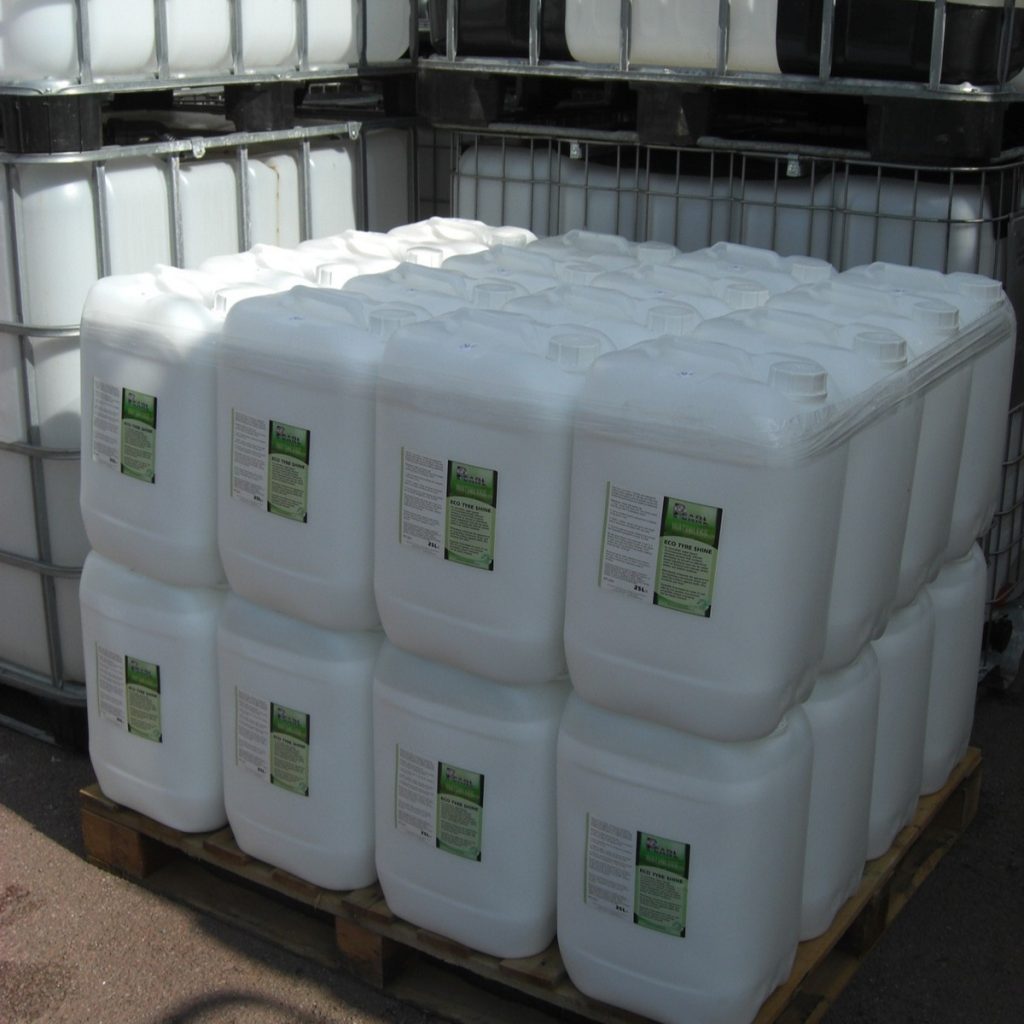
All Pearl products are engineered using safe, sustainable, environmentally responsible formulations, designed for professional performance with minimal environmental impact. Manufactured exclusively in the United Kingdom and available worldwide in 25L, 205L and 1000L IBC formats, alongside a full range of premium Nano Ceramic coatings, detailing systems and specialist maintenance solutions.
For product support or commercial trade enquiries, contact: sales@pearlgloballtd.com | +44 (0)845 874 0140
Stay updated — Subscribe to the Pearl Official Newsletter for product releases, ecological insights and global business updates.
Pearl Official Channels & Resources
Pearl FAQ – Your central hub for answers to the most common questions about Pearl products, technologies, manufacturing standards and global distribution.
Pearl Official YouTube – Explore demonstrations, application tutorials, product walk‑throughs and professional detailing techniques.
Pearl Official Instagram – Discover visual highlights, partner showcases, behind‑the‑scenes content and professional detailing results.
Pearl Official Facebook – Follow us for updates, product insights, partner news and global waterless car care innovations.
Pearl Official X – Stay informed with quick updates, industry news, technical insights and global announcements.
Pearl Official Pinterest – Browse collections of eco‑friendly detailing solutions, product features, and inspirational automotive care visuals.