Supporting Vehicle Care Performance at Any Scale
How waterless vehicle care systems adapt to support individual operators, growing organisations, and large-scale automotive and marine operations
Operational requirements rarely remain static.
What works effectively for a single operator does not always translate directly to a multi-site organisation. Similarly, systems designed for local deployment may face different challenges when supporting larger operational environments, multiple locations, or diverse customer requirements.
As organisations grow, the requirements placed upon vehicle care systems often evolve alongside them.
Consistency must be maintained.
Performance must remain reliable.
Resources must continue to be used efficiently.
At the same time, operational complexity typically increases.
This is where scalability becomes increasingly important.
The ability of a system to support performance across different sizes of operation can influence its long-term value just as much as the results it delivers today.
Why Scale Changes Operational Priorities
In the early stages of operation, vehicle care is often viewed as a relatively straightforward activity.
Vehicles require cleaning. Standards are maintained. Processes are completed as required.
As operations expand, however, new considerations begin to emerge.
Questions naturally evolve from:
- Can the system perform effectively?
- Does it achieve the required result?
Towards:
- Can the system support multiple locations?
- Can standards be maintained consistently?
- Can performance remain reliable as requirements grow?
At this stage, scalability becomes an operational consideration rather than simply a business objective.
Supporting Individual Operators
Smaller operators often require simplicity, flexibility, and efficiency.
Whether supporting mobile vehicle care services, independent valeting businesses, specialist marine maintenance providers, or local fleet operations, resources are often managed carefully, and operational flexibility becomes increasingly valuable.
Waterless vehicle care can support these requirements by reducing dependence on:
- Fixed infrastructure
- Water availability
- Location-specific operating conditions
The result is a system that can often be deployed more flexibly while maintaining professional standards.
For smaller operators, this adaptability can create significant operational advantages.
Supporting Growing Organisations
As organisations expand, maintaining consistency becomes more challenging.
Additional vehicles, operators, service locations, and customer expectations all introduce new variables.
Processes that perform effectively at one location must be repeated successfully elsewhere.
Operational consistency becomes increasingly important because customers, teams, and stakeholders often expect the same standards regardless of where services are delivered.
Waterless vehicle care systems can help support this transition through:
- Repeatable application methods
- Reduced operational dependency
- Simplified deployment requirements
- Greater flexibility across locations
These characteristics can make growth easier to support while helping organisations maintain operational alignment.
Supporting Large-Scale Operations
Large-scale automotive and marine operations face a different set of challenges.
National fleets, dealership networks, logistics providers, distributors, marina groups, and service organisations often require systems capable of supporting numerous environments simultaneously.
At this scale, consistency becomes critical.
Small variations can become significant when multiplied across facilities, teams, or regions.
Supporting large-scale operations typically requires:
- Dependable product performance
- Operational consistency
- Reliable availability
- Scalable deployment capability
- Confidence across multiple operating environments
The ability to maintain these characteristics often becomes a defining factor in long-term operational success.
Why Waterless Systems Adapt Well Across Different Scales
One of the reasons waterless vehicle care systems are increasingly adopted across differing operational environments is their ability to reduce dependency.
When systems rely less heavily on supporting infrastructure, they often become easier to deploy in a wider range of situations.
This adaptability creates benefits that can support organisations regardless of operational scale.
Waterless systems can contribute to:
- Operational flexibility
- Simplified implementation
- Reduced infrastructure requirements
- Improved resource efficiency
- Consistent deployment across environments
Importantly, these advantages do not belong exclusively to either smaller or larger organisations.
They remain relevant throughout the operational growth journey.
The Automotive and Marine Perspective
Although automotive and marine operations often face different operational challenges, they share many common objectives.
Both seek:
- Reliable performance
- Operational efficiency
- Consistent standards
- Effective resource utilisation
- Flexibility across varying environments
Waterless vehicle care supports these objectives through a system that can be adapted to a range of operational requirements.
For automotive businesses, this may support vehicle preparation, fleet maintenance, dealership presentation, or mobile service delivery.
For marine operators, benefits can include reduced freshwater use, greater flexibility around maintenance activities, and support for environmentally conscious operating practices.
In both cases, reduced dependency often creates greater operational freedom.
When Support Becomes Increasingly Important
As operational requirements increase, product performance alone is no longer the only consideration.
Organisations also begin evaluating:
- Continuity
- Availability
- Scalability
- Consistency
- Support capability
The ability to access reliable products at the right time and in the right quantities becomes increasingly important to operational continuity.
For this reason, waterless vehicle care systems capable of supporting diverse operational requirements often depend upon more than formulation alone.
They rely upon reliable manufacturing, structured production environments, and support capability that is capable of adapting alongside operational growth.
Building Confidence Across Different Operational Environments
Confidence is easier to achieve when systems remain consistent regardless of scale.
Whether supporting an independent operator managing a small number of vehicles or a larger organisation operating across multiple sites, the underlying objective remains the same.
Performance must remain dependable.
Standards must remain achievable.
Operations must remain supportable.
The more confidence organisations have in the systems supporting those objectives, the easier it becomes to focus on growth, service delivery, customer experience, and long-term operational performance.
Scalability Is About More Than Growth
Scalability is often associated with increasing size.
In practice, it is equally concerned with maintaining performance while circumstances change.
A scalable system should be capable of supporting:
- Changing operational requirements
- Differing deployment environments
- Varying resource availability
- Evolving organisational priorities
Waterless vehicle care helps support this adaptability by reducing dependencies that might otherwise limit operational flexibility.
The result is a system that can evolve alongside organisational requirements rather than requiring continual redesign.
Conclusion
Different organisations require different levels of support, flexibility, and operational capability.
Yet regardless of size, the underlying objectives remain remarkably similar.
Consistency, efficiency, reliability, and adaptability continue to influence long-term performance.
Waterless vehicle care systems contribute to these objectives by reducing operational dependency and supporting more flexible deployment across automotive and marine environments.
From independent operators to large-scale organisations, the ability to maintain standards while adapting to changing requirements remains a valuable operational advantage.
Ultimately, a truly effective system is not simply one that performs well today.
It is one that continues to support performance as operational requirements evolve tomorrow.
Pearl Quality Standards – engineered properly from the start.
British manufacturing you can trust, partnering with domestic and international customers to deliver sustainable growth and lasting success.
© Pearl Global Ltd — ISO‑Certified British Manufacturing Excellence in Processes, Systems and Product Quality Standards
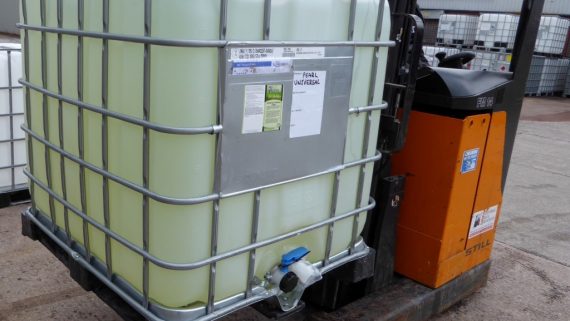
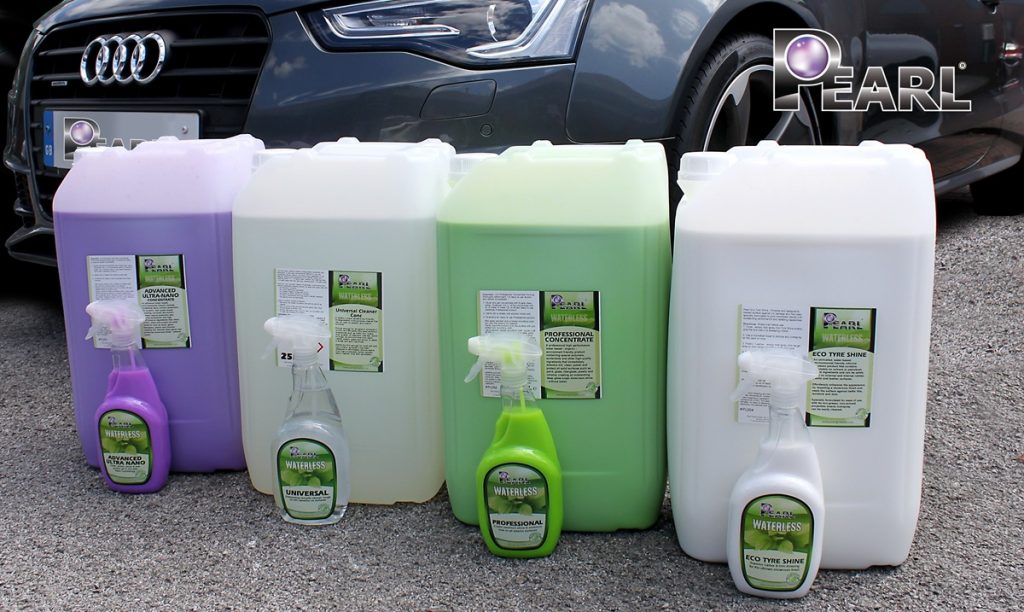
All Pearl products are engineered using safe, sustainable, environmentally responsible formulations, designed for professional performance with minimal environmental impact. Manufactured exclusively in the United Kingdom and available worldwide in 25L, 205L, and 1000L IBC formats, alongside a full range of premium Nano Ceramic coatings, detailing systems, and specialist maintenance solutions.
For product support or commercial trade enquiries, contact: sales@pearlgloballtd.com | +44 (0)845 874 0140
Stay updated — Subscribe to the Pearl Official Newsletter for product releases, ecological insights, and global business updates.
Pearl Official Channels & Resources
Pearl FAQ – Your central hub for answers to the most common questions about Pearl products, technologies, manufacturing standards, and global distribution.
Pearl Official YouTube – Explore demonstrations, application tutorials, product walk‑throughs, and professional detailing techniques.
Pearl Official Instagram – Discover visual highlights, partner showcases, behind‑the‑scenes content, and professional detailing results.
Pearl Official Facebook – Follow us for updates, product insights, partner news, and global waterless car care innovations.
Pearl Official X – Stay informed with quick updates, industry news, technical insights, and global announcements.
Pearl Official Pinterest – Browse collections of eco‑friendly detailing solutions, product features, and inspirational automotive care visuals.