Inside Controlled Manufacturing Systems: Delivering Consistent Outcomes at Scale
Where consistency becomes capability through infrastructure, manufacturing, and the systems behind performance
Across this series, consistency has been explored through how it is observed, how it is defined, enabled, and carried through delivery.
At this stage, the focus moves further inside, as consistency is not only determined by how systems are designed. It is realised through the systems that produce, control, and sustain outcomes in practice.
This is where manufacturing, infrastructure, and process integration become visible — not as isolated functions, but as a connected system that determines whether consistency holds.
From defined outcomes to controlled production
Product design establishes how outcomes should behave.
Manufacturing determines whether those behaviours can be reproduced consistently across volume and time.
This transition introduces complexity:
- Variability in raw materials and environmental conditions
- Differences in process execution
- Scale-related pressures on production systems
- Handling and storage requirements beyond production
Where these are not controlled, variation accumulates. Where they are governed, consistency is sustained.
Manufacturing as a system of control
Manufacturing is often interpreted as output. In practice, it is a system of control.
Its role is to ensure that:
- Production processes remain stable and repeatable
- Variation is identified and managed at source
- Outcomes conform to defined standards across every stage
Modern manufacturing relies on structured quality control processes to maintain consistency — verifying performance throughout production and preventing deviation before it reaches operation
This continuous discipline ensures that consistency is not inspected at the end — it is embedded throughout the process.
The role of integrated systems
Consistency at scale is not achieved through individual controls.
It depends on the integration of systems across:
- Production processes
- Operational technologies
- Quality control frameworks
- Data and decision-making systems
Manufacturing systems integration connects these elements into a unified operational environment, improving accuracy, efficiency, and the ability to maintain controlled outcomes across production.
Where systems remain disconnected, inconsistency persists.
Where they are integrated, control extends across the entire operation.
Infrastructure as a stabilising factor
Infrastructure defines the conditions in which manufacturing operates.
It supports:
- Controlled environmental conditions
- Consistent process execution
- Stable handling and storage systems
- Reliable preparation for distribution
Without this stability, variation is introduced before products reach application.
With it, outcomes remain consistent beyond production.
Pearl’s integrated approach
At Pearl, consistency is not approached as a final outcome. It is structured into the system that delivers it.
This is achieved through:
- Controlled manufacturing environments designed to reduce variability
- Defined production processes aligned to consistent standards
- Integrated quality control across all stages of production
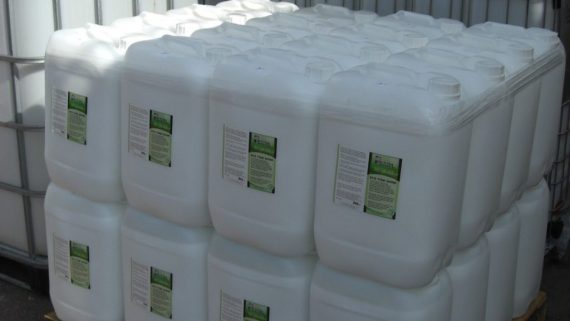
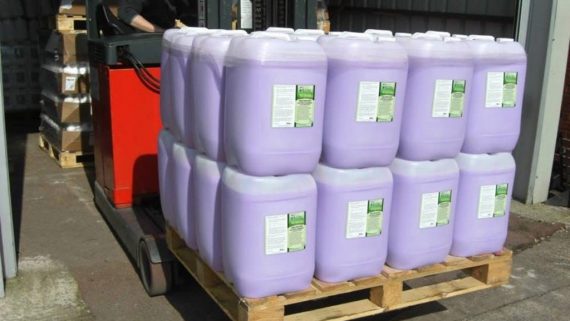
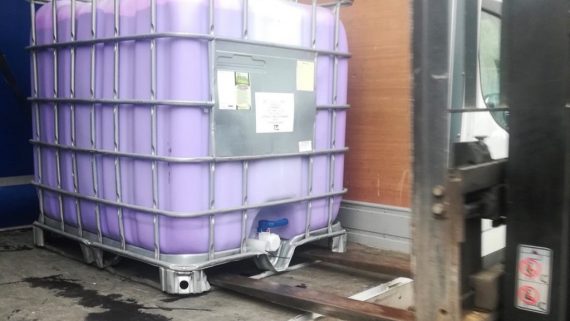
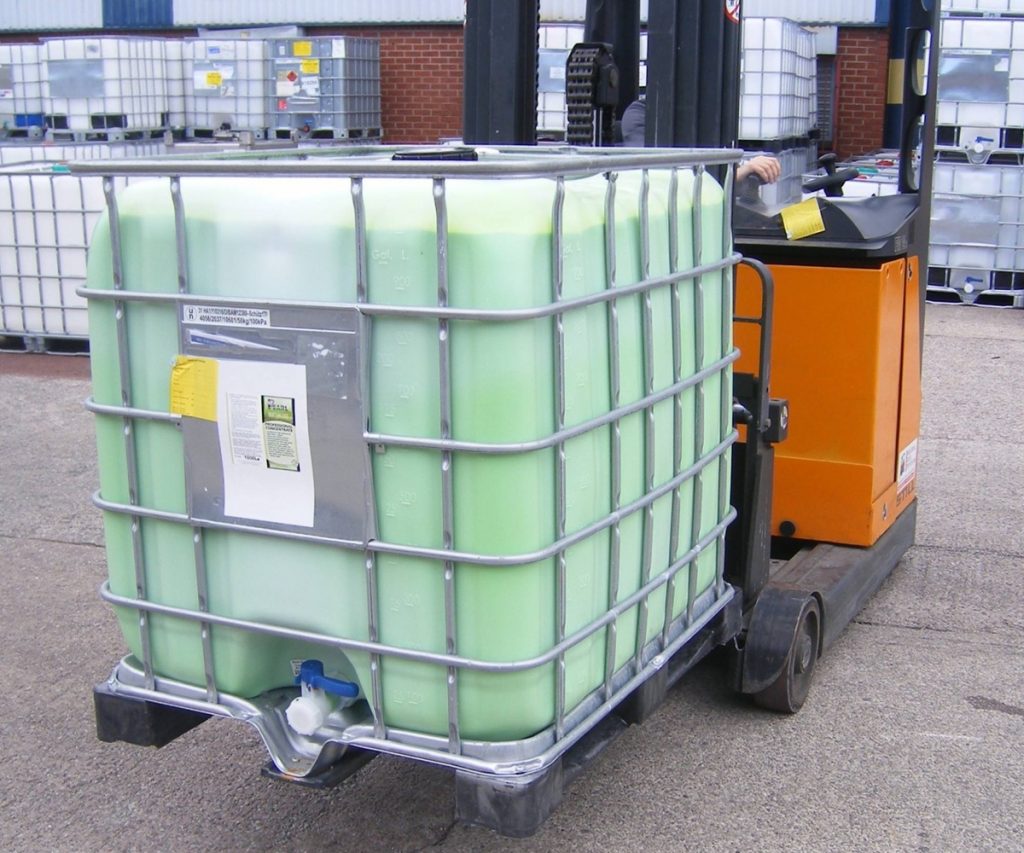
- Infrastructure that supports stable storage, handling, and distribution
These elements operate as a connected system.
This ensures that what is defined in formulation is carried through manufacturing and delivered without loss of integrity.
Formulation, manufacturing, and performance alignment
The relationship between formulation and manufacturing determines whether performance remains stable.
Formulation defines expected behaviour. Manufacturing ensures that behaviour can be reproduced consistently.
Where aligned:
- Performance remains independent of the environment
- Outcomes are not dependent on interpretation
- Consistency is achieved without continual adjustment
This alignment reduces variation before it enters operational use.
Sustainability through system design
Sustainability is most effective when embedded within systems, not applied externally.
Traditional vehicle care introduces:
- High water consumption
- Wastewater generation
- Runoff carrying contaminants into drainage systems
Waterless vehicle care removes these factors at the source.
This results in:
- Elimination of wastewater and runoff pathways
- Significant reductions in water use
- Lower environmental impact across operations
By removing the cause rather than managing the effect, environmental performance becomes inherent within the system.
Supporting modern automotive operations
The automotive sector is evolving under increasing environmental and operational expectations.
This requires systems that:
- Operate independently of constrained resources
- Maintain consistent performance across environments
- Align with sustainability requirements across supply chains
Consistency, performance, and sustainability are no longer separate objectives. They must be delivered together.
What consistency at scale requires
Consistency at scale is not repetition. It is controlled repeatability under varying conditions.
This requires:
- Design that accounts for real-world environments
- Manufacturing that controls variation at source
- Infrastructure that preserves product integrity
- Integrated systems that maintain alignment as operations expand
Without this alignment, consistency degrades as scale increases.
With it, consistency becomes a characteristic of the system itself.
Final perspective
Consistency is not maintained through intervention. It is achieved through structure.
From product design to manufacturing, from infrastructure to delivery, each stage determines whether outcomes remain stable — or begin to vary.
Where systems are integrated, consistency carries through. Where they are not, it does not.
Pearl Quality Standards – engineered properly from the start.
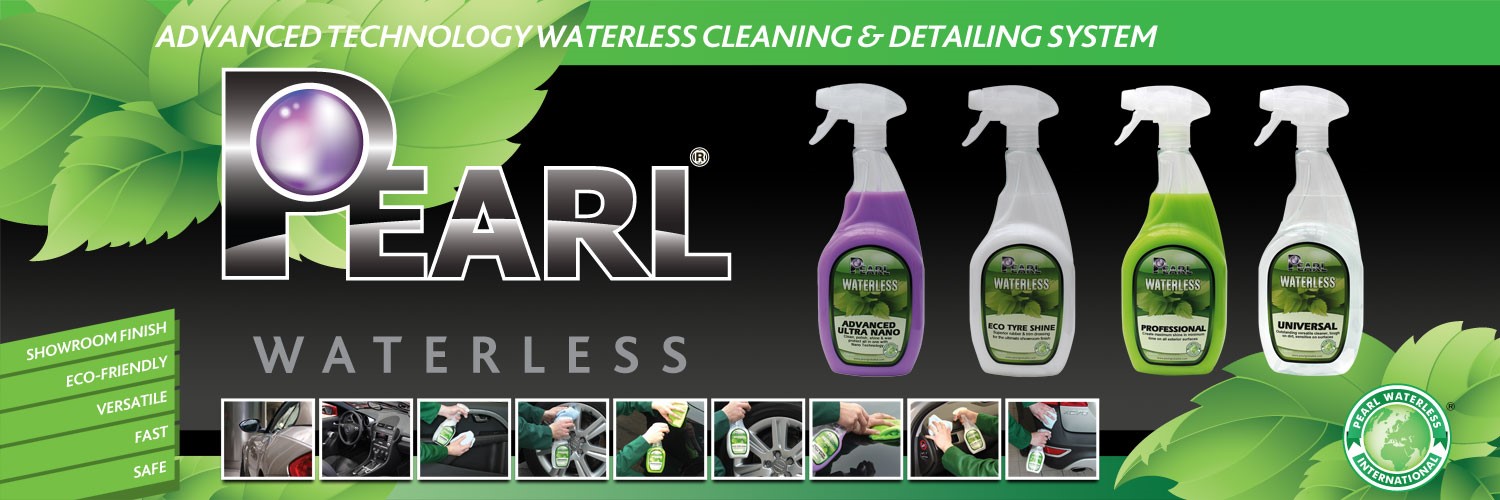
British manufacturing you can trust, partnering with domestic and international customers to deliver sustainable growth and lasting success.
© Pearl Global Ltd — ISO‑Certified British Manufacturing Excellence in Processes, Systems and Product Quality Standards
All Pearl products are engineered using safe, sustainable, environmentally responsible formulations, designed for professional performance with minimal environmental impact. Manufactured exclusively in the United Kingdom and available worldwide in 25L, 205L and 1000L IBC formats, alongside a full range of premium Nano Ceramic coatings, detailing systems and specialist maintenance solutions.
For product support or commercial trade enquiries, contact: sales@pearlgloballtd.com | +44 (0)845 874 0140
Stay updated — Subscribe to the Pearl Official Newsletter for product releases, ecological insights and global business updates.
Pearl Official Channels & Resources
Pearl FAQ – Your central hub for answers to the most common questions about Pearl products, technologies, manufacturing standards and global distribution.
Pearl Official YouTube – Explore demonstrations, application tutorials, product walk‑throughs and professional detailing techniques.
Pearl Official Instagram – Discover visual highlights, partner showcases, behind‑the‑scenes content and professional detailing results.
Pearl Official Facebook – Follow us for updates, product insights, partner news and global waterless car care innovations.
Pearl Official X – Stay informed with quick updates, industry news, technical insights and global announcements.
Pearl Official Pinterest – Browse collections of eco‑friendly detailing solutions, product features, and inspirational automotive care visuals.