The Evolution of Modern Vehicle Care
Understanding How Vehicle Care Requirements Continue to Evolve
Traditional cleaning methods have supported vehicle maintenance for decades and continue to play an important role throughout the automotive, marine, and specialist industries. They remain an effective solution for maintaining vehicle appearance and surface condition in a wide range of operating environments.
However, vehicle care requirements have evolved significantly. Modern vehicles incorporate increasingly sophisticated materials, finishes, coatings, and surface technologies, while contamination challenges, operational requirements, and maintenance expectations continue to develop.
As a result, modern vehicle care now encompasses surface condition, appearance standards, maintenance efficiency, protective technologies, and long-term asset care alongside cleaning performance. This evolution has encouraged the development of new formulations, maintenance technologies, and vehicle care approaches designed to support an increasingly complex range of maintenance requirements.
Vehicle Surfaces Have Changed
Modern vehicles often incorporate a wider variety of materials and finishes than those produced only a few decades ago.
Advanced paint systems, clear coats, plastic trim, composite materials, decorative finishes, and protective coatings each present their own maintenance considerations. At the same time, vehicle owners and operators frequently expect these surfaces to retain appearance standards for longer periods despite demanding operating conditions.
This evolution has influenced the development of increasingly sophisticated vehicle care formulations. Modern cleaning technologies are often expected to work effectively across a broader range of materials while supporting ongoing maintenance requirements.
As a result, cleaning performance is no longer considered in isolation. Surface compatibility has become an increasingly important part of formulation development and product selection.
Contamination Has Become More Complex
Vehicle contamination rarely originates from a single source.
Road film, brake dust, atmospheric fallout, biological deposits, industrial emissions, and environmental contamination can all accumulate during normal vehicle operation. Many contaminants encountered today consist of mixtures of materials originating from multiple sources.
Heat, moisture, ultraviolet radiation, and prolonged surface contact can further influence how contamination adheres to vehicle surfaces and how easily it can subsequently be removed.
As discussed in our previous article, contamination challenges are often shaped by the contaminants present, the conditions to which they are exposed, and the surfaces on which they accumulate.
This complexity has influenced formulation development throughout the vehicle care industry. Modern cleaning technologies are often required to address a wider range of contamination characteristics while remaining suitable for contemporary vehicle surfaces and finishes.
Cleaning Is No Longer Only About Cleanliness
A clean vehicle remains an important objective of any maintenance programme.
However, vehicle care increasingly considers factors beyond visible cleanliness alone.
These may include:
- Surface condition
- Material compatibility
- Long-term finish preservation
- Protective surface technologies
- Maintenance efficiency
- Operational practicality
- Environmental responsibility
As a result, cleaning technologies now support vehicle cleanliness, surface condition, appearance standards, and long-term vehicle care.
This shift continues to influence advances in formulation science, cleaning chemistry, and surface-care technologies.
Environmental and Operational Considerations
The environments in which vehicles operate have also evolved.
Fleet operators, marine businesses, contractors, and service providers may now face a wider range of environmental, operational, and regulatory considerations than in previous decades.
Factors influencing cleaning decisions may include:
- Water availability
- Wastewater management requirements
- Site restrictions
- Vehicle downtime
- Operating efficiency
- Environmental responsibilities
These considerations do not replace traditional cleaning methods.
Instead, they have encouraged the development of vehicle care technologies suited to different operating environments and maintenance requirements.
Conventional washing systems remain entirely appropriate in many operating environments. Different maintenance requirements, operating conditions, and available resources have also encouraged the development of additional vehicle care technologies suited to specific applications.
Choosing the Right Cleaning Approach
Modern vehicle care increasingly recognises that a single cleaning method may not be suitable for every situation.
Contamination levels, operating environments, surface conditions, maintenance objectives, and available infrastructure can all influence the approach selected.
For example:
- Marine and urban environments expose vehicle surfaces to different contaminants, influencing cleaning requirements, maintenance routines, and long-term care priorities.
- The level of contamination can influence the cleaning processes, products, and maintenance time required.
- Commercial fleets often operate under stricter maintenance schedules, downtime requirements, and operational demands.
- Water availability and wastewater management requirements can vary significantly between locations.
As a result, vehicle care technologies have continued to diversify.
Traditional washing systems, contamination-specific cleaning products, waterless cleaning technologies, detailing products, nano technologies, and protective coatings all serve different purposes within modern maintenance programmes.
Selecting an effective cleaning approach requires consideration of contaminant type, surface materials, and operational requirements.
The Evolution of Cleaning Technologies
As vehicle care requirements have evolved, cleaning technologies have evolved alongside them.
Modern vehicle care now encompasses a broad range of solutions, including:
- Conventional vehicle cleaning systems
- Contamination-removal technologies
- Waterless cleaning systems
- Surface-safe detailing products
- Nano protection technologies
- Nano Ceramic coating systems
Each approach addresses different requirements and operating conditions.
The growth of available technologies reflects the increasing complexity of vehicle maintenance rather than the replacement of one method with another. Different contamination challenges, environments, and maintenance objectives often require different solutions.
Evolving vehicle surfaces, contamination challenges, and operational requirements continue to influence formulation development, cleaning technologies, and maintenance practices throughout the vehicle care industry
Understanding the Challenge Is Part of the Solution
Traditional cleaning methods remain an important part of vehicle care and continue to support maintenance operations throughout the automotive and marine sectors.
However, vehicle surfaces, contamination challenges, and operational requirements have become increasingly diverse. This evolution has encouraged the development of a broader range of cleaning technologies, formulations, and maintenance approaches than ever before.
Understanding these changing requirements helps explain why vehicle care continues to evolve. Effective cleaning is no longer viewed solely as the removal of visible contamination but as an important part of maintaining vehicle appearance, surface condition, and long-term asset care.
Contamination challenges, environmental considerations, and advances in vehicle technology continue to influence formulation science, cleaning technologies, and long-term vehicle care practices.
Pearl Quality Standards – engineered properly from the start.
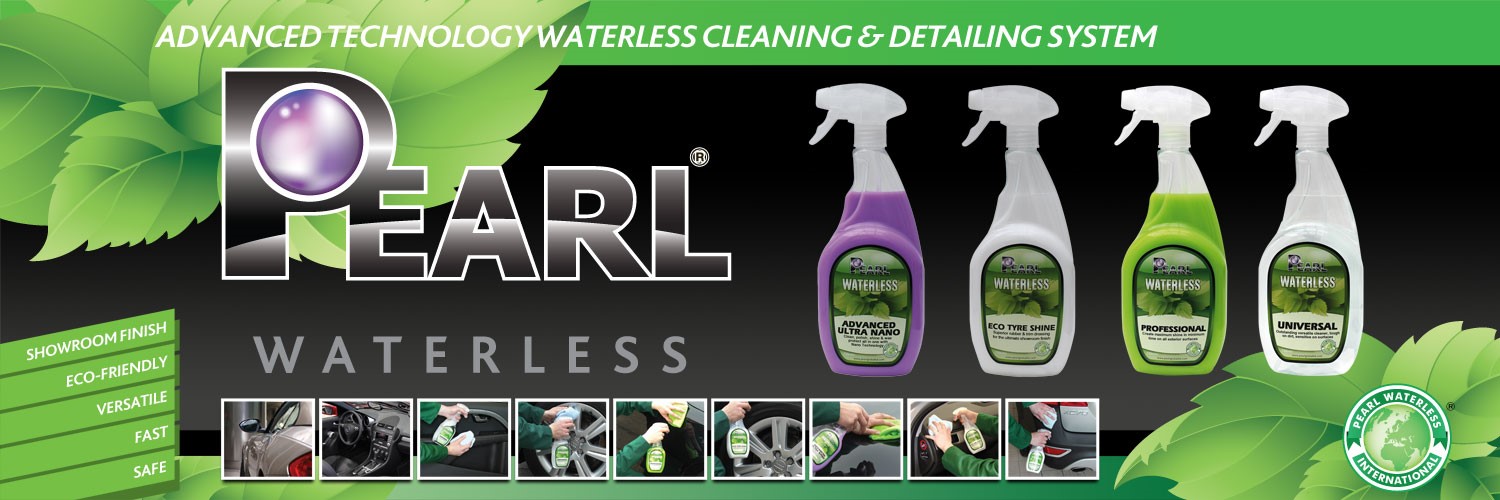 British manufacturing you can trust, partnering with domestic and international customers to deliver sustainable growth and lasting success.
© Pearl Global Ltd — ISO‑Certified British Manufacturing Excellence in Processes, Systems and Product Quality Standards
All Pearl products are engineered using safe, sustainable, environmentally responsible formulations, designed for professional performance with minimal environmental impact. Manufactured exclusively in the United Kingdom and available worldwide in 25L, 205L, and 1000L IBC formats, alongside a full range of premium Nano Ceramic coatings, detailing systems, and specialist maintenance solutions.
For product support or commercial trade enquiries, contact: sales@pearlgloballtd.com | +44 (0)845 874 0140
Stay updated — Subscribe to the Pearl Official Newsletter for product releases, ecological insights, and global business updates.
Pearl Official Channels & Resources
Pearl FAQ – Your central hub for answers to the most common questions about Pearl products, technologies, manufacturing standards, and global distribution.
Pearl Official YouTube – Explore demonstrations, application tutorials, product walk‑throughs, and professional detailing techniques.
Pearl Official Instagram – Discover visual highlights, partner showcases, behind‑the‑scenes content, and professional detailing results.
Pearl Official Facebook – Follow us for updates, product insights, partner news, and global waterless car care innovations.
Pearl Official X – Stay informed with quick updates, industry news, technical insights, and global announcements.
Pearl Official Pinterest – Browse collections of eco‑friendly detailing solutions, product features, and inspirational automotive care visuals.