
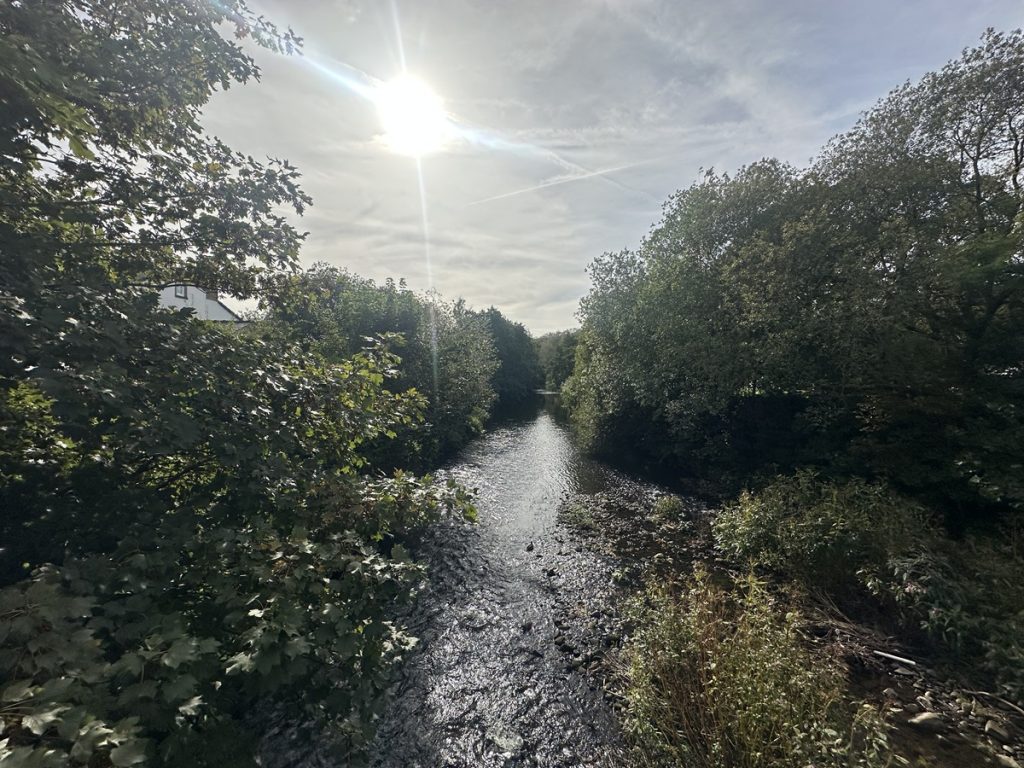
World Rivers Day 2026 – How Everyday Systems Shape River Health
Reflecting on the ecological, cultural, and economic importance of rivers, and how everyday operational decisions influence the health of waterways worldwide
World Rivers Day, observed annually on the last Sunday of September, falls on 27 September 2026 and serves as a global reminder of the vital role rivers play in sustaining both human and natural systems.
Established in 2005 by internationally recognised river conservationist Mark Angelo, World Rivers Day has grown into a worldwide initiative celebrated in more than 100 countries, encouraging greater awareness, stewardship, and protection of rivers and waterways.
While rivers are often admired for their beauty and recreational value, their significance extends far beyond the landscapes they shape.
Rivers are among the most important natural systems on Earth.
They support ecosystems, communities, economies, and cultures, connecting people, wildlife, and environments across entire regions.
Rivers Are Far More Than Flowing Water
For thousands of years, civilisations have developed alongside rivers.
Many of the world’s major cities, trade routes, and agricultural regions owe their existence to reliable access to freshwater and transportation networks provided by rivers.
Today, rivers continue to provide:
- Freshwater for drinking and domestic use
- Irrigation for agriculture
- Water for industry and manufacturing
- Hydroelectric power generation
- Transportation corridors
- Recreation and tourism opportunities
- Habitats for countless species of plants and animals
In many ways, rivers function as the circulatory system of the planet.
They connect landscapes, transport nutrients, sustain biodiversity, and support the day-to-day activities upon which modern society depends.
Although rivers and streams represent only a small proportion of the Earth’s freshwater resources, they support a disproportionately large share of global biodiversity and remain among the planet’s most important environmental assets.
The Ecological Importance of Rivers
Healthy river systems are essential to maintaining environmental balance.
Rivers support a wide variety of ecosystems, including:
- Wetlands
- Floodplains
- Estuaries
- Freshwater habitats
- Riparian woodland environments
These ecosystems provide shelter, breeding grounds, and migration corridors for numerous species.
Many plants, fish, birds, amphibians, and mammals depend directly upon healthy waterways for survival.
When river systems become degraded, the effects often extend far beyond the river itself.
Impacts can include:
- Reduced biodiversity
- Habitat fragmentation
- Declining fish populations
- Increased erosion
- Deterioration of water quality
- Greater vulnerability to flooding and drought
From an ecological perspective, river health is ultimately ecosystem health.
Rivers Connect Every Part of the Water Cycle
Rivers rarely exist in isolation.
They are part of a much larger interconnected system that links:
- Rainfall
- Groundwater
- Wetlands
- Lakes
- Estuaries
- Coastal environments
- Oceans
What occurs upstream can ultimately influence ecosystems many hundreds or even thousands of miles away.
A contaminant entering a drainage system in one location may eventually find its way into a river, then into an estuary, and ultimately into the sea.
Protecting rivers extends beyond preserving freshwater ecosystems alone. River health and ocean health are closely interconnected, with river systems ultimately influencing the wider environments to which they are connected.
Increasingly, scientists, regulators, and environmental organisations recognise that successful conservation depends upon understanding waterways as connected systems rather than isolated features within the landscape.
Climate Change and the Growing Importance of Healthy Rivers
The importance of rivers has become increasingly apparent as climate change continues to influence weather patterns around the world.
Many regions are experiencing:
- More frequent heatwaves
- Prolonged dry periods
- Drought conditions
- Intense rainfall events
- Flooding
- Greater pressure on freshwater supplies
Recent years have demonstrated how quickly environmental conditions can change. Flooding, prolonged droughts, reduced river flows, and record temperatures have become increasingly familiar challenges across many parts of the world.
Healthy river systems help moderate these pressures by transporting water, supporting biodiversity, and maintaining ecological balance.
However, rivers themselves are being affected by these same changes.
Periods of reduced rainfall can lower river flows, increase water temperatures, and place additional stress on freshwater ecosystems.
At the opposite extreme, intense rainfall events can increase erosion, transport pollutants, and overwhelm drainage infrastructure.
This growing variability reinforces the importance of protecting river systems before problems emerge, rather than attempting to restore them after damage has occurred.
From this perspective, rivers are not only environmental assets. They are critical infrastructure supporting long-term climate resilience.
The Cultural Value of Waterways
Throughout history, rivers have influenced the identity of communities and nations.
Many rivers hold deep cultural, spiritual, and historical significance.
Across the world, rivers have:
- Inspired art and literature
- Influenced local traditions
- Supported indigenous communities
- Driven exploration and trade
- Shaped regional identity
From the Thames and the Danube to the Nile, Mississippi, and Ganges, rivers continue to represent far more than water resources alone.
They form part of our collective cultural heritage.
Many of humanity’s earliest settlements emerged alongside rivers because of the opportunities they provided for food production, transportation, and trade.
Today, despite technological advances, many communities remain fundamentally connected to the rivers that helped shape them.
The Economic Importance of Healthy Rivers
Strong economies depend on reliable natural systems.
River networks contribute significantly to:
- Agriculture
- Manufacturing
- Logistics
- Power generation
- Tourism
- Commercial development
Healthy river systems help provide the stability needed for businesses and communities to operate effectively.
Conversely, river degradation can create substantial economic challenges through:
- Increased water treatment costs
- Reduced agricultural productivity
- Infrastructure damage
- Biodiversity loss
- Reduced recreational and tourism opportunities
Hundreds of millions of people around the world depend directly upon river systems for freshwater supplies, agriculture, employment, and economic activity.
The cost of protecting rivers is often far lower than the cost of restoring them once damage has occurred.
Viewed from this perspective, river conservation is not solely an environmental investment.
It is also an investment in long-term economic resilience.
Why River Health Is Often a Systems Issue
When people think about threats to rivers, they often focus on dramatic pollution incidents or large-scale environmental events.
While these can certainly have serious consequences, much of the pressure placed upon waterways develops more gradually.
River health is frequently shaped by the cumulative effects of everyday systems and operational practices.
These may include:
- How water is consumed
- How wastewater is managed
- How chemicals are handled
- How runoff is controlled
- How infrastructure interacts with the surrounding environment
In many cases, no single activity causes significant harm.
However, when small impacts are repeated across thousands of locations and over long periods of time, the cumulative effect can become substantial.
Much like climate change itself, river health is often influenced by repetition rather than intention.
Why Runoff Matters
When discussing river protection, large pollution incidents often attract the greatest attention.
In reality, many river impacts arise through the gradual accumulation of everyday activities.
Examples include:
- Surface runoff
- Poor wastewater management
- Excessive water consumption
- Chemical discharge
- Urban drainage systems
- Industrial processes
Individually, a single activity may appear insignificant.
Repeated thousands of times across multiple locations, however, the cumulative impact can become substantial.
Runoff can carry a variety of substances into drainage systems and waterways, including sediments, oils, detergents, brake dust, tyre residues, cleaning chemicals, and other contaminants generated by everyday activities. While individual quantities may appear insignificant, repeated discharge over time can contribute to water quality issues, place additional pressure on aquatic ecosystems, and increase the burden on treatment infrastructure.
In urban environments, surface water drainage systems often discharge directly into local watercourses. This means that activities taking place on roads, commercial premises, and industrial sites may ultimately influence the condition of rivers many miles downstream.
This is why operational design becomes increasingly important.
Systems that reduce unnecessary water consumption and minimise wastewater generation help reduce the overall burden placed upon drainage networks and downstream waterways.
This highlights an important principle of environmental management: reducing pressure at source is often more effective than managing its consequences further downstream.
World Rivers Day provides an opportunity to consider how everyday operational decisions contribute to the long-term health of waterways.
Where Waterless Operation Fits Within the Wider Discussion
Within this broader discussion, waterless vehicle care represents one example of how operational systems can help reduce pressure on waterways.
Pearl’s core business is the manufacture and supply of bulk concentrated waterless formulations supporting vehicle cleaning and detailing operations worldwide.
The relevance to river protection lies not in comparison with traditional methods, but in how the system operates by design.
Our Cleaner, Safer and Greener™ technologies have been developed around a simple principle: delivering effective cleaning performance whilst reducing resource consumption and minimising unnecessary environmental pressure.
These technologies are engineered to:
- Significantly reduce water consumption
- Prevent wastewater generation
- Eliminate rinse-water runoff associated with conventional washing methods
- Eliminate airborne overspray commonly produced by high-powered pressure-washing equipment
- Reduce dependence on fixed water infrastructure
- Improve operational efficiency through concentrated formulations
Pearl’s Cleaner, Safer and Greener™ philosophy extends beyond water reduction alone. It recognises that environmental responsibility is often influenced by multiple factors — water consumption, wastewater generation, energy demand, runoff control, and the protection of downstream ecosystems.
By eliminating rinse-water runoff and reducing reliance on high-powered washing equipment, waterless systems can help reduce both direct water use and the environmental impacts associated with conventional washing processes.
Unlike traditional wash systems that generate substantial volumes of wastewater and rinse-off, waterless operation requires no rinsing stage, thereby eliminating routine wash-down runoff from the cleaning process itself.
When considered across thousands of cleaning cycles, these efficiencies can help reduce water demand, eliminate routine wash-down runoff, and minimise the movement of contaminants into drainage systems, waterways, and ultimately downstream aquatic environments.
These benefits make waterless solutions particularly relevant for modern markets seeking to balance operational performance with environmental responsibility.
As with many environmental improvements, the greatest benefits often arise when responsible outcomes are built directly into the systems people use every day.
Healthy Rivers Depend Upon Cumulative Choices
Meaningful river protection rarely results from a single action.
More often, it emerges from:
- Consistent stewardship
- Responsible resource management
- Effective system design
- Long-term thinking
- Incremental operational improvements
World Rivers Day encourages reflection on how these factors combine over time.
Whether through government policy, community initiatives, conservation projects, or everyday business operations, the cumulative effect of countless decisions ultimately shapes the future health of the world’s waterways.
Looking Beyond One Day
While World Rivers Day occupies a single date in the calendar, the questions it raises remain relevant throughout the year.
Rivers reveal how effectively societies manage resources.
Over time, waterways demonstrate:
- How responsibly water is used
- Whether ecosystems are protected
- How resilient communities are to change
- The effectiveness of environmental stewardship
- The long-term consequences of operational decisions
Understanding this shifts the discussion away from isolated environmental initiatives and towards the practical reality of how everyday systems influence river health over time.
Reflection Rather Than Prescription
World Rivers Day is not simply about celebrating waterways for a single day each year.
It is about recognising the essential role rivers play in supporting ecosystems, communities, economies, and climate resilience worldwide.
As environmental pressures, resource demands, and changing weather patterns continue to evolve, the health of rivers will increasingly depend upon how effectively people, organisations, and industries manage the systems they rely upon every day.
Healthy rivers are not sustained by good intentions alone.
They are sustained through countless decisions that influence how water is valued, used, and protected over time.
Pearl Quality Standards – engineered properly from the start.
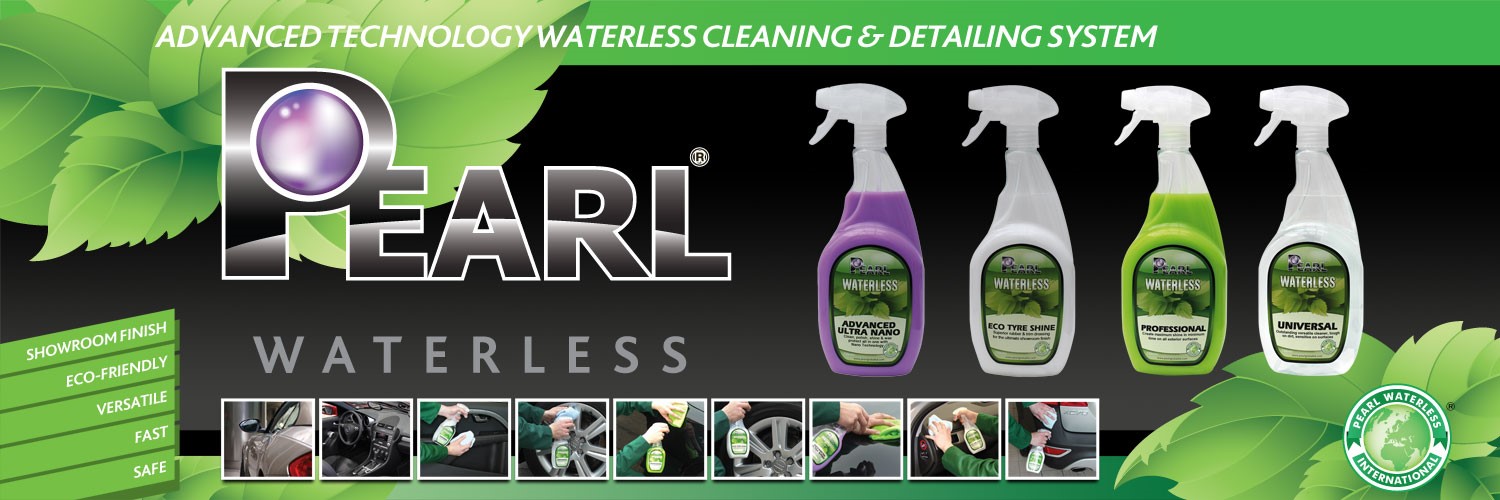
British manufacturing you can trust, partnering with domestic and international customers to deliver sustainable growth and lasting success.
© Pearl Global Ltd — ISO‑Certified British Manufacturing Excellence in Processes, Systems and Product Quality Standards
All Pearl products are engineered using safe, sustainable, environmentally responsible formulations, designed for professional performance with minimal environmental impact. Manufactured exclusively in the United Kingdom and available worldwide in 25L, 205L, and 1000L IBC formats, alongside a full range of premium Nano Ceramic coatings, detailing systems, and specialist maintenance solutions.
For product support or commercial trade enquiries, contact: sales@pearlgloballtd.com | +44 (0)845 874 0140
Stay updated — Subscribe to the Pearl Official Newsletter for product releases, ecological insights, and global business updates.
Pearl Official Channels & Resources
Pearl FAQ – Your central hub for answers to the most common questions about Pearl products, technologies, manufacturing standards, and global distribution.
Pearl Official YouTube – Explore demonstrations, application tutorials, product walk‑throughs, and professional detailing techniques.
Pearl Official Instagram – Discover visual highlights, partner showcases, behind‑the‑scenes content, and professional detailing results.
Pearl Official Facebook – Follow us for updates, product insights, partner news, and global waterless car care innovations.
Pearl Official X – Stay informed with quick updates, industry news, technical insights, and global announcements.
Pearl Official Pinterest – Browse collections of eco‑friendly detailing solutions, product features, and inspirational automotive care visuals.