From Operational Optimisation to Integrated Operational Systems
How waterless vehicle care systems contribute to wider operational performance, sustainability, and resource management objectives
As organisations mature, individual processes rarely remain isolated.
Activities that were once viewed as standalone operational tasks are increasingly integrated into broader organisational objectives. Decisions relating to efficiency, sustainability, resource utilisation, compliance, and operational performance begin to overlap, creating a more integrated approach to how organisations function.
Vehicle care is no exception.
Historically, vehicle care has often been considered independently of wider operational systems. Its purpose was straightforward: maintain appearance, protect assets, and support day-to-day operational requirements.
Today, the role of vehicle care is changing.
As organisations seek greater efficiency and consistency, vehicle care is increasingly being considered within the wider context of operational performance, environmental responsibility, and resource management.
This transition represents an important stage in operational maturity.
When Processes Become Part of Something Larger
Operational optimisation improves individual performance by reducing unnecessary complexity and improving efficiency.
However, once a process becomes optimised, attention naturally shifts towards understanding how it contributes to wider organisational objectives.
The discussion is no longer limited to:
- How effectively a process performs
- How consistently outcomes are delivered
- How efficiently resources are utilised
Instead, organisations begin asking:
- How does this process support wider operational goals?
- How does it contribute to sustainability objectives?
- How does it affect resource management strategies?
- How does it align with organisational standards?
At this point, the focus moves beyond process performance and towards operational integration.
Why Integration Matters
A well-performing process is valuable.
A process that supports multiple organisational objectives simultaneously is significantly more valuable.
Integrated systems help organisations avoid duplication of effort, reduce inefficiencies, and improve decision-making by creating stronger connections between activities that were previously managed independently.
Where integration is successful, organisations benefit from:
- Greater operational alignment
- Improved visibility across activities
- More effective resource utilisation
- Stronger environmental performance
- Enhanced organisational consistency
The result is a system that contributes to broader outcomes rather than simply achieving an isolated task.
The Role of Waterless Vehicle Care in Operational Integration
The ability to integrate vehicle care into wider operational systems depends largely on the level of dependency associated with the process.
Traditional vehicle care approaches often require supporting infrastructure, water supply availability, drainage considerations, and environmental controls. These requirements can create operational boundaries that limit flexibility and make integration more difficult.
Waterless vehicle care changes this relationship.
By removing dependence on water within the cleaning process, vehicle care becomes easier to deploy across a wider range of operational environments. The process itself becomes more flexible and less constrained by infrastructure requirements.
This creates advantages that extend beyond vehicle care alone.
Waterless systems can support:
- Reduced water consumption
- Simplified operational deployment
- Greater location flexibility
- Reduced infrastructure dependency
- Improved sustainability alignment
- More efficient resource utilisation
These are not merely environmental benefits. They are operational benefits that support wider organisational objectives.
Connecting Sustainability and Operational Performance
One of the challenges many organisations face is balancing operational requirements with sustainability commitments.
Historically, these objectives have often been managed separately. Operational teams focused on performance and productivity, while sustainability initiatives were addressed through separate programmes and reporting structures.
Increasingly, organisations are recognising that the two are interconnected.
Waterless vehicle care provides an example of how operational and environmental objectives can align naturally.
Removing water from the process reduces resource consumption while simultaneously simplifying deployment and reducing infrastructure dependencies. This allows organisations to improve environmental performance without creating additional operational complexity.
Where systems contribute positively to both areas, operational integration becomes significantly easier to achieve.
Resource Management Beyond Individual Activities
Resource management is often considered in terms of direct consumption.
However, organisational resources extend beyond water, fuel, or materials. They also include:
- Operational time
- Infrastructure
- Labour allocation
- Management attention
- Deployment capability
As systems become integrated, organisations begin evaluating how each process affects these resources collectively rather than individually.
Vehicle care systems that require fewer supporting resources can contribute positively to broader resource management strategies. By simplifying how activities are delivered, organisations gain greater flexibility in how resources are allocated elsewhere.
In this way, vehicle care becomes part of a wider operational framework rather than a standalone activity.
Supporting Integration Through Manufacturing Consistency
Successful integration depends on consistency.
A process that behaves differently across locations, teams, or operating environments becomes difficult to align with wider organisational objectives.
This is why controlled manufacturing and formulation consistency play an increasingly important role.
Where products are developed and manufactured within controlled environments, such as those maintained by Pearl, formulation behaviour becomes more predictable. Consistent product performance supports consistent operational outcomes, helping organisations maintain alignment across different operational settings.
This consistency becomes particularly important where businesses operate across multiple sites, territories, or service environments.
The more integrated the system becomes, the greater the value of reliable and predictable inputs.
Infrastructure That Supports Organisations at Every Scale
Integration does not occur exclusively within large organisations.
Businesses of every size benefit when operational activities support broader objectives rather than functioning independently.
However, the requirements of scalability vary considerably.
Smaller organisations often require flexibility and simplicity.
Larger organisations frequently require:
- Consistency across multiple sites
- Secure supply continuity
- Standardised performance
- Controlled deployment
- Operational alignment across teams
Supporting these differing requirements requires more than effective products. It requires infrastructure capable of supporting organisations at multiple stages of growth and operational complexity.
This is where manufacturing capability, supply resilience, and formulation consistency become important contributors to system integration.
From Operational Functions to Organisational Value
As integration progresses, the value of individual processes begins to change.
Vehicle care is no longer assessed solely by the quality of its immediate outcome. Instead, its contribution to a broader operational framework that supports performance, sustainability, resource management, and long-term organisational objectives simultaneously.
Questions evolve from:
- Was the task completed?
- Was the outcome acceptable?
Towards:
- How does the process support operational performance?
- How does it contribute to sustainability goals?
- How effectively does it utilise resources?
- How easily can it scale across the organisation?
This broader perspective reflects a more mature understanding of operational value.
Building More Connected Systems
Integrated operational systems are not created through complexity.
They are created through alignment.
The strongest systems are often those where processes, resources, sustainability objectives, and operational priorities work together rather than competing for attention.
Waterless vehicle care supports this approach by reducing dependencies, simplifying deployment, and contributing to multiple organisational objectives simultaneously.
As operational maturity develops, these characteristics become increasingly valuable.
Integration is not simply about connecting activities.
It is about creating systems that work more effectively together.
Conclusion
Operational optimisation improves how processes perform.
Operational integration improves how processes contribute.
Once organisations move beyond consistency, measurement, and optimisation, attention naturally shifts towards alignment. Processes become part of a broader operational framework that supports performance, sustainability, resource management, and long-term organisational objectives simultaneously.
Waterless vehicle care plays an important role in this progression. By reducing infrastructure dependency, improving deployment flexibility, and supporting sustainability objectives, it creates opportunities for stronger operational integration across organisations of every size.
Ultimately, the most effective systems are not those that operate independently.
They are the systems that contribute meaningfully to everything around them.
Pearl Quality Standards – engineered properly from the start.
British manufacturing you can trust, partnering with domestic and international customers to deliver sustainable growth and lasting success.
© Pearl Global Ltd — ISO‑Certified British Manufacturing Excellence in Processes, Systems and Product Quality Standards
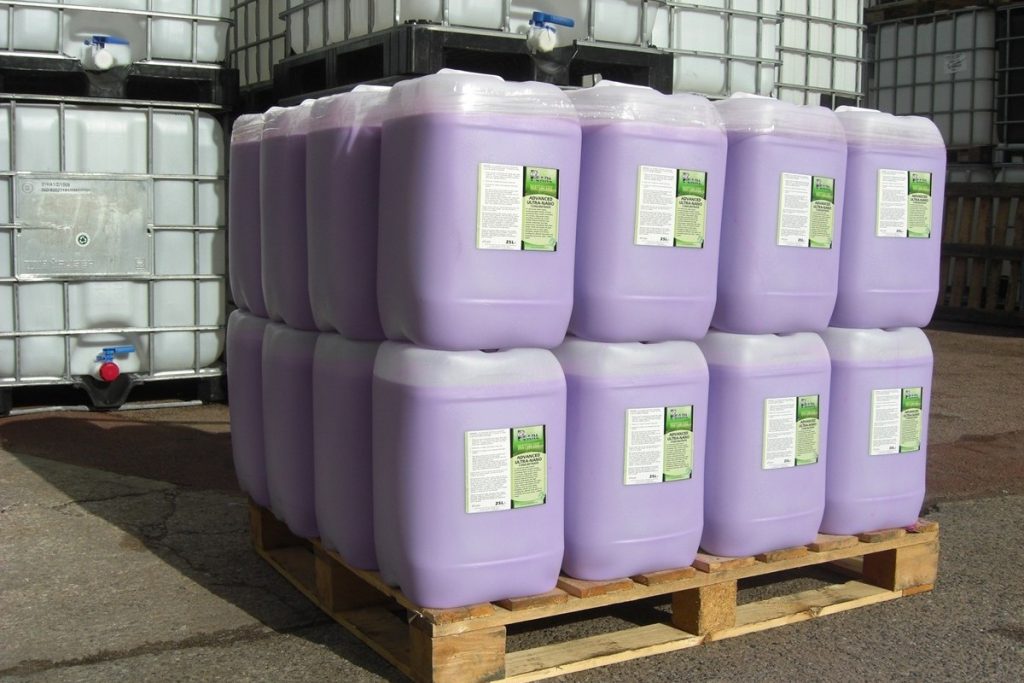
All Pearl products are engineered using safe, sustainable, environmentally responsible formulations, designed for professional performance with minimal environmental impact. Manufactured exclusively in the United Kingdom and available worldwide in 25L, 205L, and 1000L IBC formats, alongside a full range of premium Nano Ceramic coatings, detailing systems, and specialist maintenance solutions.
For product support or commercial trade enquiries, contact: sales@pearlgloballtd.com | +44 (0)845 874 0140
Stay updated — Subscribe to the Pearl Official Newsletter for product releases, ecological insights, and global business updates.
Pearl Official Channels & Resources
Pearl FAQ – Your central hub for answers to the most common questions about Pearl products, technologies, manufacturing standards, and global distribution.
Pearl Official YouTube – Explore demonstrations, application tutorials, product walk‑throughs, and professional detailing techniques.
Pearl Official Instagram – Discover visual highlights, partner showcases, behind‑the‑scenes content, and professional detailing results.
Pearl Official Facebook – Follow us for updates, product insights, partner news, and global waterless car care innovations.
Pearl Official X – Stay informed with quick updates, industry news, technical insights, and global announcements.
Pearl Official Pinterest – Browse collections of eco‑friendly detailing solutions, product features, and inspirational automotive care visuals.