World Oceans Day – How Everyday Systems Shape Marine Impact
Reflecting on ocean responsibility, long‑term systems, and the operational choices that influence marine environments
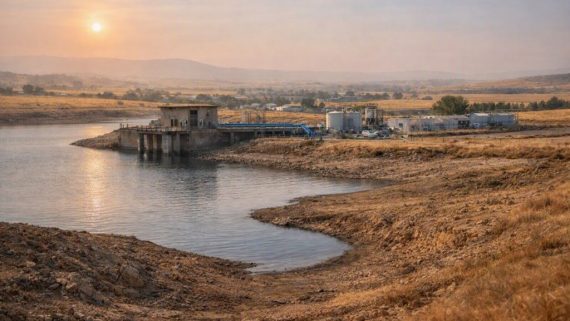
World Oceans Day, observed annually on 8 June, is not centred on a single technology, industry, or prescribed solution. Established by the United Nations to highlight the critical role oceans play in global stability, it encourages awareness of how human activity interacts with marine environments — often through everyday systems that operate quietly, repeatedly, and at scale.
Marine impact, in this context, is rarely the result of dramatic events alone. More often, it emerges from the cumulative behaviour of systems: the way processes are designed, adopted, and allowed to run across locations, industries, and time.
Marine impact is shaped by repetition, not intention
Most organisations do not set out to place pressure on ocean ecosystems.
Instead, marine impact accumulates as routine systems repeat the same actions thousands of times — in supply chains, logistics, water usage, chemical handling, waste management, and operational habits. What appears minor in isolation becomes significant through frequency and scale.
Ocean responsibility extends beyond policy statements or one‑off initiatives.
It is shaped by:
- How water is used, treated, and discharged
- Whether processes minimise unnecessary runoff or contamination
- How consistently materials are handled across different environments
- The degree to which systems prevent harmful by‑products from entering waterways
Much of this impact is determined not by isolated decisions, but by everyday operational practice.
From this perspective, marine performance is best understood as a systems characteristic, not an occasional intervention.
Why longevity reveals more than launch
New processes often perform well when first introduced. Conditions are controlled. Oversight is close. Attention is focused.
Over time, however, those conditions shift:
- Responsibility becomes distributed
- Operational contexts vary
- Review cycles lengthen
- Systems are expected to function without constant supervision
It is during this phase — when systems operate at scale and under varied conditions — that their true marine impact becomes visible.
Not through sudden failures, but through the steady accumulation of behaviours that systems permit:
- Small leaks that become routine
- Minor inefficiencies repeated across hundreds of sites
- Discharge practices that drift from original standards
- Materials used in ways not originally intended
World Oceans Day offers a moment to reflect on these realities, drawing attention to how established practices continue to interact with marine ecosystems over time.
Ocean responsibility as a systems question
Discussions about ocean health often focus on plastics, pollution, or overfishing. While important, these issues sit within broader operational systems that ultimately govern how resources are used and how waste is generated.
Long‑term marine outcomes are influenced by:
- How easy or difficult it is to operate responsibly
- Whether processes encourage conservation by default
- How much variation systems allow once deployed
- The extent to which safeguards rely on constant human correction
- How well systems prevent unintended discharge into waterways
Systems that reduce unnecessary consumption and prevent runoff through their design tend to remain more stable as scale increases. Systems that depend on continual correction place sustained pressure on both people and marine environments.
Where waterless operational systems fit within this wider picture
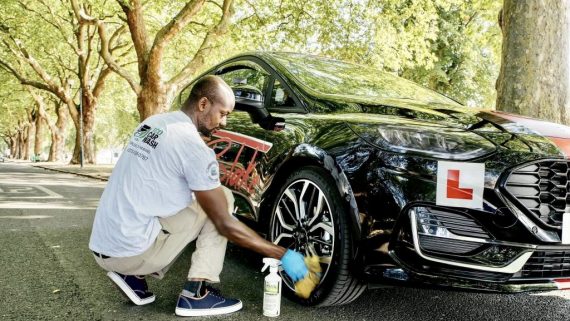
Within this broader context, waterless vehicle care represents one example of how operational design can reduce marine pressure as part of routine activity.
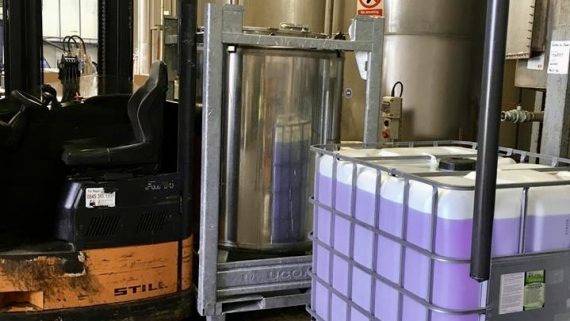
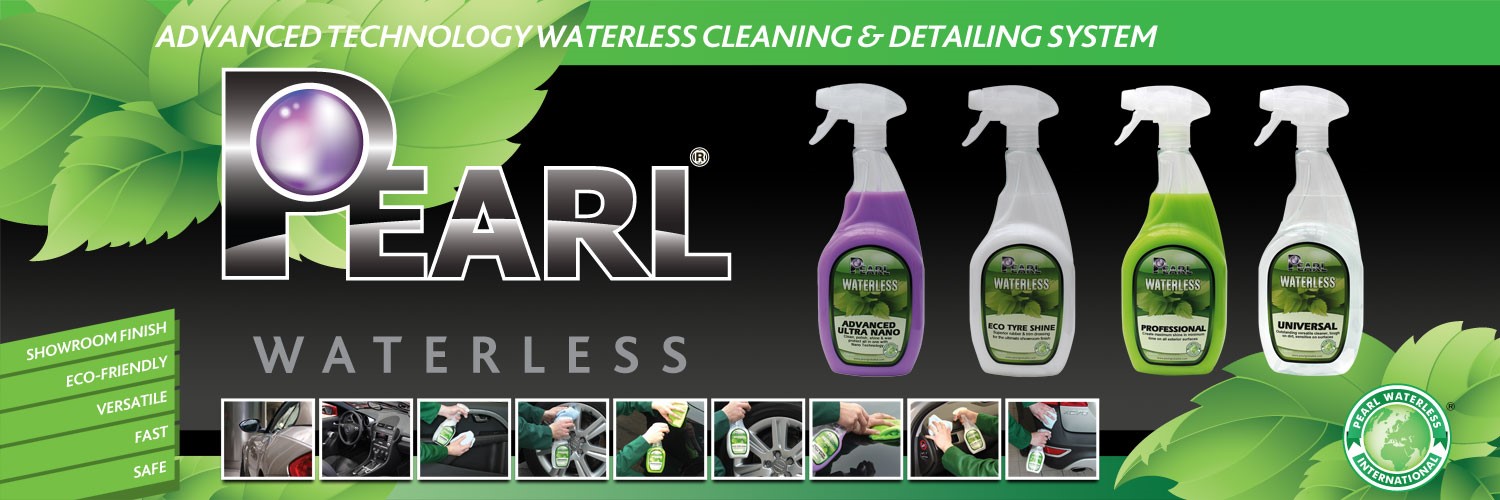
Pearl’s core business is the manufacture and supply of bulk waterless concentrated formulations, supporting automotive cleaning and detailing businesses — from start‑ups through to national commercial operations — across multiple market sectors worldwide.
The relevance of waterless operation to marine protection lies not in comparison with traditional methods, but in how it addresses several ocean‑related pressures simultaneously:
- Reduced water usage, lowering demand on local water systems and decreasing the volume of wastewater requiring treatment
- Elimination of unregulated effluent runoff, preventing detergents, oils, and contaminants from entering drainage networks and downstream marine environments
- Lower energy demand, reducing indirect environmental pressures associated with high‑powered washing equipment
- Minimised airborne overspray, which can settle into waterways and contribute to cumulative pollution
Pearl’s proprietary ‘Cleaner, Safer and Greener’ formulations are engineered for ease of use, consistency, and versatility — enabling operators to deliver premium finishes without specialist infrastructure. In this way, marine benefit is achieved not through additional effort, but through how the system operates by default.
Reflection rather than prescription
Like Earth Day and World Environment Day, World Oceans Day is not about advocating a single method or solution. It is about recognising that marine impact is shaped by the systems people rely on each day — and how those systems behave once they are widely adopted.
Across industries and operational contexts, meaningful improvement tends to be:
- Incremental rather than immediate
- Cumulative rather than isolated
- Dependent on consistency rather than visibility
- Achieved through systems that make responsible behaviour easier to repeat
Approaches that reduce marine pressure through design — rather than through constant supervision — are more likely to endure as scale and time apply pressure.
Looking beyond one day
While World Oceans Day occupies a single date, the questions it raises apply year‑round.
Marine outcomes are revealed through repetition.
Over time, systems show:
- What they allow
- Where they conserve resources
- How they prevent or permit runoff
- How responsibly they operate once attention moves elsewhere
Understanding this shifts ocean discussion away from intent alone, toward the practical reality of how everyday systems shape long‑term marine impact.
Pearl Quality Standards – engineered properly from the start.
British manufacturing you can trust, partnering with domestic and international customers to deliver sustainable growth and lasting success.
© Pearl Global Ltd — ISO‑Certified British Manufacturing Excellence in Processes, Systems and Product Quality Standards
All Pearl products are engineered using safe, sustainable, environmentally responsible formulations, designed for professional performance with minimal environmental impact. Manufactured exclusively in the United Kingdom and available worldwide in 25L, 205L and 1000L IBC formats, alongside a full range of premium Nano Ceramic coatings, detailing systems and specialist maintenance solutions.
For product support or commercial trade enquiries, contact: sales@pearlgloballtd.com | +44 (0)845 874 0140
Stay updated — Subscribe to the Pearl Official Newsletter for product releases, ecological insights and global business updates.
Pearl Official Channels & Resources
Pearl FAQ – Your central hub for answers to the most common questions about Pearl products, technologies, manufacturing standards and global distribution.
Pearl Official YouTube – Explore demonstrations, application tutorials, product walk‑throughs and professional detailing techniques.
Pearl Official Instagram – Discover visual highlights, partner showcases, behind‑the‑scenes content and professional detailing results.
Pearl Official Facebook – Follow us for updates, product insights, partner news and global waterless car care innovations.
Pearl Official X – Stay informed with quick updates, industry news, technical insights and global announcements.
Pearl Official Pinterest – Browse collections of eco‑friendly detailing solutions, product features, and inspirational automotive care visuals.