The Growing Role of Nano Technologies in Vehicle Care
Understanding How Nanotechnology Is Influencing Modern Surface Protection and Maintenance
Modern vehicle care continues to evolve in response to changing surface technologies, increasing maintenance expectations, and growing demand for durability, appearance retention, and long-term protection.
Among the technologies contributing to this evolution, nanotechnology has become one of the most significant developments within modern vehicle care.
While often associated with advanced ceramic coatings, nanotechnology now influences a much broader range of maintenance technologies, including paint protection systems, glass treatments, leather protection products, fabric protectors, sealants, and specialist surface treatments used throughout the automotive and marine sectors.
Its growing adoption reflects a wider industry focus on surface behaviour, contamination management, material compatibility, and long-term maintenance efficiency.
As vehicle surfaces become increasingly sophisticated, nanotechnology is helping reshape how protection technologies interact with the materials they are designed to protect.
Understanding Nanotechnology
Nanotechnology involves the use of materials engineered at an exceptionally small scale, typically between 1 and 100 nanometres. At this scale, materials can exhibit physical and chemical properties that differ from those observed at larger scales, contributing to the growing adoption of nanotechnology across multiple industries.
To place this scale in perspective, a nanometre is one billionth of a metre. At this scale, the surface-area-to-volume ratio increases significantly, meaning a larger proportion of the material is exposed at the surface where interactions occur.
This is particularly relevant within vehicle care because all materials contain microscopic structures and irregularities that cannot be observed during normal inspection.
Paintwork, glass, leather, fabrics, and plastics may appear smooth to the eye, yet microscopic features influence how moisture, contamination, and protective technologies interact with those materials over time.
The significance of nanotechnology lies not simply in particle size itself, but in the ability of nano-scale materials to interact more closely with these microscopic structures.
This allows modern formulations to influence material behaviour in ways that were not always achievable using conventional protection technologies.
Why Surface Scale Matters
As discussed throughout this series, surface condition plays a critical role in modern vehicle care.
A common misconception is that a glossy appearance indicates a perfectly smooth and uniform surface. In reality, vehicle surfaces contain microscopic variations that cannot be detected through normal visual inspection.
Even modern paint finishes contain tiny pores, fissures, and irregularities that may influence how moisture, pollutants, and environmental deposits interact with the material over time.
Automotive paint systems perform two important functions. They contribute to vehicle appearance while also helping protect underlying materials from environmental exposure. However, the microscopic structure of painted surfaces means that long-term protection depends upon more than appearance alone.
This understanding has contributed significantly to the growth of nanotechnology within the vehicle care industry.
Because nanoparticles operate at an exceptionally small scale, they can interact more closely with microscopic surface structures than many conventional protection technologies.
This characteristic has encouraged the development of nano-scale protection systems designed to support long-term surface condition, protection, and maintenance efficiency.
As vehicle care technologies continue to evolve, understanding these microscopic surface interactions has become increasingly important.
Nanotechnology and Surface Behaviour
One of the most important contributions of nanotechnology is its ability to influence how materials interact with their surrounding environment.
Surface behaviour directly affects multiple aspects of vehicle maintenance, including:
- Water interaction
- Contamination retention
- Cleaning efficiency
- Surface smoothness
- Maintenance frequency
- Long-term appearance
Many modern nano-based technologies are designed to help create highly uniform protective layers that influence how water and contamination interact with treated materials.
One reason nanotechnology has attracted increasing attention is its ability to influence surface energy. Surface energy helps determine how water, contamination, and environmental deposits behave when they come into contact with a material.
By modifying these interactions, nano-scale protection technologies can help create materials that are easier to maintain and less likely to retain contamination over time.
This often contributes to increased hydrophobic behaviour, allowing water to bead or sheet more readily and reducing its contact with the material.
While the extent of these effects depends on the technology, formulation, and application process, the underlying principle remains consistent: nanotechnology can influence how materials interact with their environment.
Nanotechnology Extends Beyond Paint Protection
One of the most common misconceptions surrounding nanotechnology is that its role begins and ends with ceramic coatings.
Nano-scale technologies are now incorporated throughout many areas of modern vehicle care.
Applications increasingly include:
- Paint protection systems
- Surface sealants
- Glass protection technologies
- Leather protection products
- Fabric protection treatments
- Marine maintenance technologies
- Multi-surface treatment systems
This wider application reflects the increasing diversity of vehicle materials and the growing demand for specialised maintenance solutions.
Different materials possess different characteristics, contamination challenges, and protection requirements. As a result, nanotechnology is now utilised across a much broader range of maintenance applications than many vehicle owners and operators realise.
Traditional Technologies and Nano Technologies
The growth of nanotechnology does not necessarily represent the replacement of traditional protection technologies.
In many cases, modern formulations combine established protection methods with nano-scale technologies to deliver complementary performance characteristics.
For example, some advanced vehicle care formulations combine traditional wax technologies with nanotechnology, integrating established appearance-enhancement characteristics with technologies designed to influence surface behaviour and long-term protection.
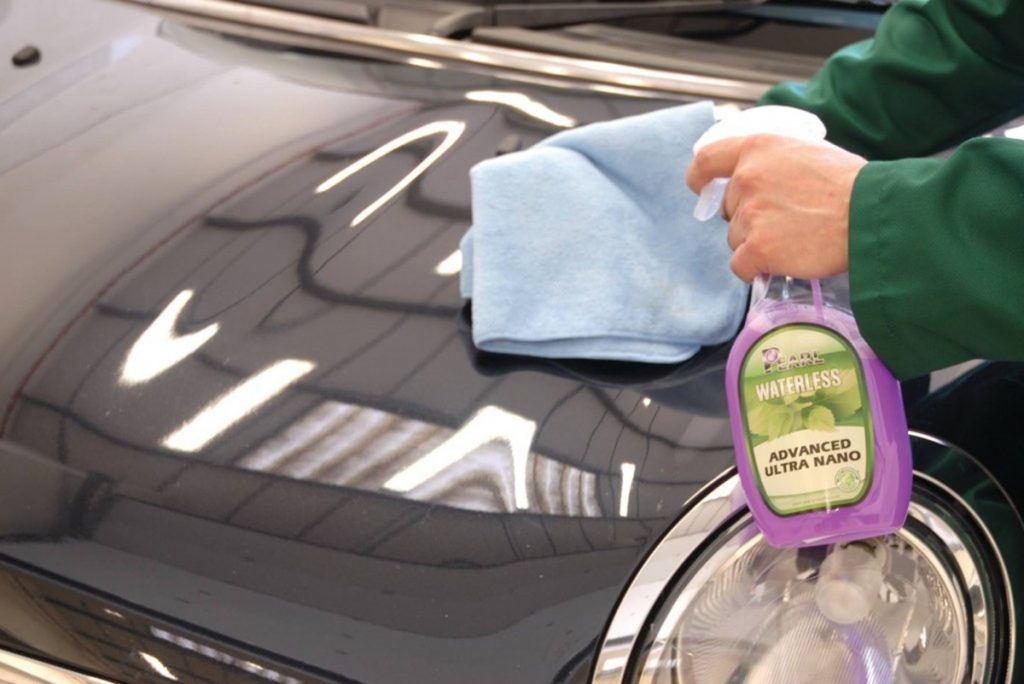
One example is Advanced Ultra Nano, which combines Carnauba wax technology with nano-scale protection systems designed to enhance surface performance.
Carnauba wax has long been valued for its visual finish and durability characteristics. When paired with nanotechnology, manufacturers can combine traditional surface enhancement with modern protection technologies designed to influence contamination behaviour, water interaction, and long-term surface condition.
This reflects a broader trend throughout modern vehicle care: combining proven technologies with contemporary scientific developments rather than treating them as competing approaches.
Nanotechnology Across Multiple Vehicle Care Applications
The application of nanotechnology is no longer limited to a single maintenance category.
Within modern vehicle care, nano-scale technologies are incorporated into products designed for a wide range of specialised applications.
Examples of how nanotechnology is applied across Pearl’s surface protection and maintenance technologies include:
- Advanced Ultra Nano
- Nano Seal
- Leather Protector
- Oyster Fabric Protector
- Nano Ceramic & Quartz Coatings
While each technology serves a different purpose, they collectively demonstrate how nanotechnology can be adapted to suit different material types and maintenance requirements.
Glass, paintwork, leather, and fabrics all present different contamination challenges and protection requirements. The adaptation of nano-scale technologies across these materials reflects the increasing sophistication of modern formulation science and product development.
Modern Protection Technologies Have Become Increasingly Specialised
Vehicle care no longer operates within a one-size-fits-all environment.
Modern vehicles frequently incorporate:
- Advanced paint systems
- Specialist wheel finishes
- Decorative trim materials
- Synthetic and natural leather surfaces
- Technical fabrics
- Glass treatment technologies
- Surface protection systems
As vehicle materials have become more diverse and increasingly specialised, maintenance technologies have evolved in response.
Modern protection technologies are frequently developed to help influence:
- Water repellency
- Surface smoothness
- Resistance to environmental exposure
- Contamination retention
- Material compatibility
- Maintenance efficiency
Nanotechnology has played an important role in this evolution by providing manufacturers with additional tools to address increasingly specialised protection requirements.
Technology, Formulation, and Manufacturing Quality
The effectiveness of advanced protection technologies depends on more than their constituent materials alone.
Research, formulation development, material compatibility, validation procedures, and manufacturing controls all contribute to the performance and consistency of the finished technology.
The behaviour of nanoparticles is influenced by how they are dispersed, stabilised, and incorporated within the final formulation.
For this reason, formulation science plays a particularly important role within nano-based technologies.
Successful nano formulations depend upon:
- Research and development
- Raw material selection
- Formulation design
- Product stability
- Validation procedures
- Production controls
- Quality assurance systems
This reflects a recurring theme throughout modern vehicle care: technology and manufacturing quality work together.
Advanced technologies alone do not guarantee reliable performance. Equally important is the ability to formulate, manufacture, and apply those technologies with precision and control.
As nano-scale technologies continue to evolve, quality management, process control, and manufacturing disciplines will remain fundamental to their successful implementation.
Looking Beyond the Coating
Nanotechnology is often associated with ceramic coatings and specialist protection systems.
However, its influence within modern vehicle care extends much further.
From paintwork and glass to leather, fabrics, sealants, and multi-surface protection systems, nano-scale technologies are increasingly influencing how vehicle care products interact with the materials they are designed to protect.
As vehicle surfaces, protection technologies, and maintenance expectations continue to evolve, nanotechnology will remain an important part of future vehicle care development.
Understanding this growing role helps explain why modern vehicle maintenance increasingly combines surface science, formulation expertise, manufacturing quality, and specialised protection technologies to support long-term maintenance outcomes.
Nanotechnology is no longer confined to a single product category. It has become an important part of how modern vehicle care technologies are developed, applied, and maintained across a wide range of materials and operating environments.
Pearl Quality Standards – engineered properly from the start.
 British manufacturing you can trust, partnering with domestic and international customers to deliver sustainable growth and lasting success.
© Pearl Global Ltd — ISO‑Certified British Manufacturing Excellence in Processes, Systems and Product Quality Standards
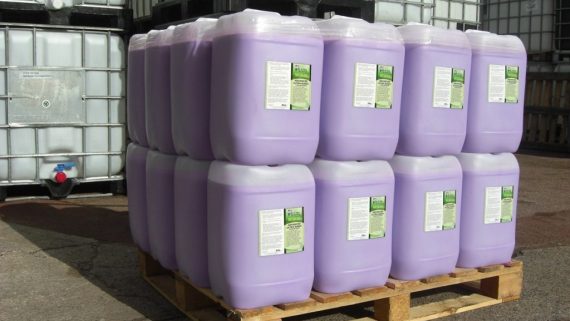
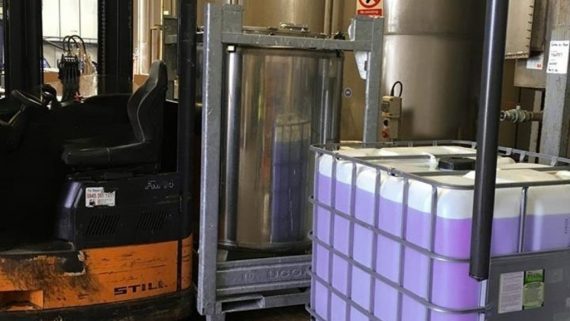
All Pearl products are engineered using safe, sustainable, environmentally responsible formulations, designed for professional performance with minimal environmental impact. Manufactured exclusively in the United Kingdom and available worldwide in 25L, 205L, and 1000L IBC formats, alongside a full range of premium Nano Ceramic coatings, detailing systems, and specialist maintenance solutions.
For product support or commercial trade enquiries, contact: sales@pearlgloballtd.com | +44 (0)845 874 0140
Stay updated — Subscribe to the Pearl Official Newsletter for product releases, ecological insights, and global business updates.
Pearl Official Channels & Resources
Pearl FAQ – Your central hub for answers to the most common questions about Pearl products, technologies, manufacturing standards, and global distribution.
Pearl Official YouTube – Explore demonstrations, application tutorials, product walk‑throughs, and professional detailing techniques.
Pearl Official Instagram – Discover visual highlights, partner showcases, behind‑the‑scenes content, and professional detailing results.
Pearl Official Facebook – Follow us for updates, product insights, partner news, and global waterless car care innovations.
Pearl Official X – Stay informed with quick updates, industry news, technical insights, and global announcements.
Pearl Official Pinterest – Browse collections of eco‑friendly detailing solutions, product features, and inspirational automotive care visuals.