The Technologies Behind Modern Vehicle Care
Understanding the Technologies Supporting Modern Vehicle Maintenance
Modern vehicle care incorporates a broader range of technologies than ever before.
Vehicle surfaces, contamination challenges, maintenance expectations, and operational requirements have all become increasingly sophisticated. As these requirements have evolved, so too have the technologies used to clean, maintain, and protect vehicles across the automotive, marine, and specialist industries.
Many of these technologies operate behind the scenes. They influence how contamination is removed, how surfaces are maintained, how protective treatments perform, and how products are manufactured to deliver consistent results.
Understanding the technologies behind modern vehicle care helps explain why vehicle maintenance today extends far beyond cleaning alone.
Vehicle Care Begins With Cleaning Technology
Every vehicle care product relies on technology.
Whether removing road film, atmospheric contamination, biological deposits, or everyday traffic residue, modern cleaning products rely on carefully balanced formulations engineered to address specific contamination challenges while supporting surface compatibility and maintenance objectives.
While cleaning was once commonly associated with detergents and soaps, modern cleaning technologies frequently utilise advanced surfactant systems, contamination-specific chemistries, lubricating agents, and surface-compatible ingredients developed to work across a broad range of vehicle materials and finishes. Surfactant selection can influence cleaning effectiveness, rinsing behaviour, hard-water performance, and compatibility with protective technologies.
Modern cleaning formulations typically consider multiple performance factors simultaneously, including:
- Cleaning effectiveness
- Surface compatibility
- Material safety
- User application requirements
- Operational efficiency
- Environmental considerations
This reflects the increasing complexity of both vehicle surfaces and contamination challenges encountered throughout everyday operation.
The Role of Formulation Science
Behind every vehicle care product lies formulation science.
Formulation development involves far more than selecting individual ingredients. Modern formulations are frequently developed through a process that evaluates how ingredients interact with contamination, environmental conditions, application methods, and vehicle surfaces.
 Balancing these variables often requires extensive testing, refinement, and validation.
A successful formulation may need to:
- Remove contamination effectively
- Remain compatible with multiple surface types
- Deliver consistent results
- Maintain product stability
- Support practical application in real-world conditions
Modern vehicle care formulations are often engineered as complete systems rather than collections of individual ingredients. Development frequently balances cleaning performance, stability, usability, storage characteristics, and surface compatibility simultaneously.
As contamination challenges have become more diverse, formulation science has become an increasingly important part of modern vehicle care technology.
Surface Protection Technologies
As vehicle finishes have become more sophisticated, protective technologies have become increasingly important.
Cleaning remains an essential part of vehicle maintenance. However, surface protection technologies have been developed to support ongoing surface care between maintenance intervals.
Modern protection systems may include:
These technologies interact with vehicle surfaces in different ways depending upon their design and intended purpose.
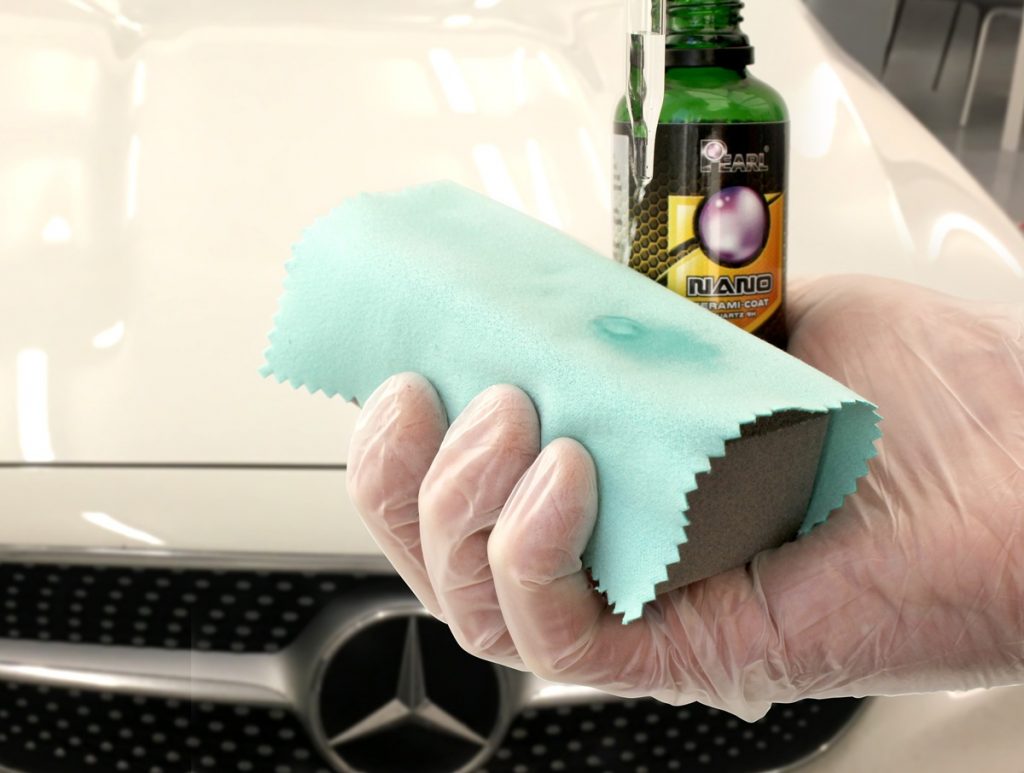
Protective coating technologies continue to evolve as manufacturers seek to improve resistance to environmental exposure, ultraviolet radiation, contamination adhesion, and long-term surface degradation. Modern ceramic and hybrid coating technologies represent part of a broader trend towards increasingly specialised surface protection systems.
As a result, modern vehicle care increasingly considers both cleaning performance and surface protection as complementary parts of a broader maintenance strategy.
Application Technologies Continue to Advance
Innovation within vehicle care is not limited to product formulations alone.
Application methods have also evolved considerably.
Modern maintenance systems may incorporate:
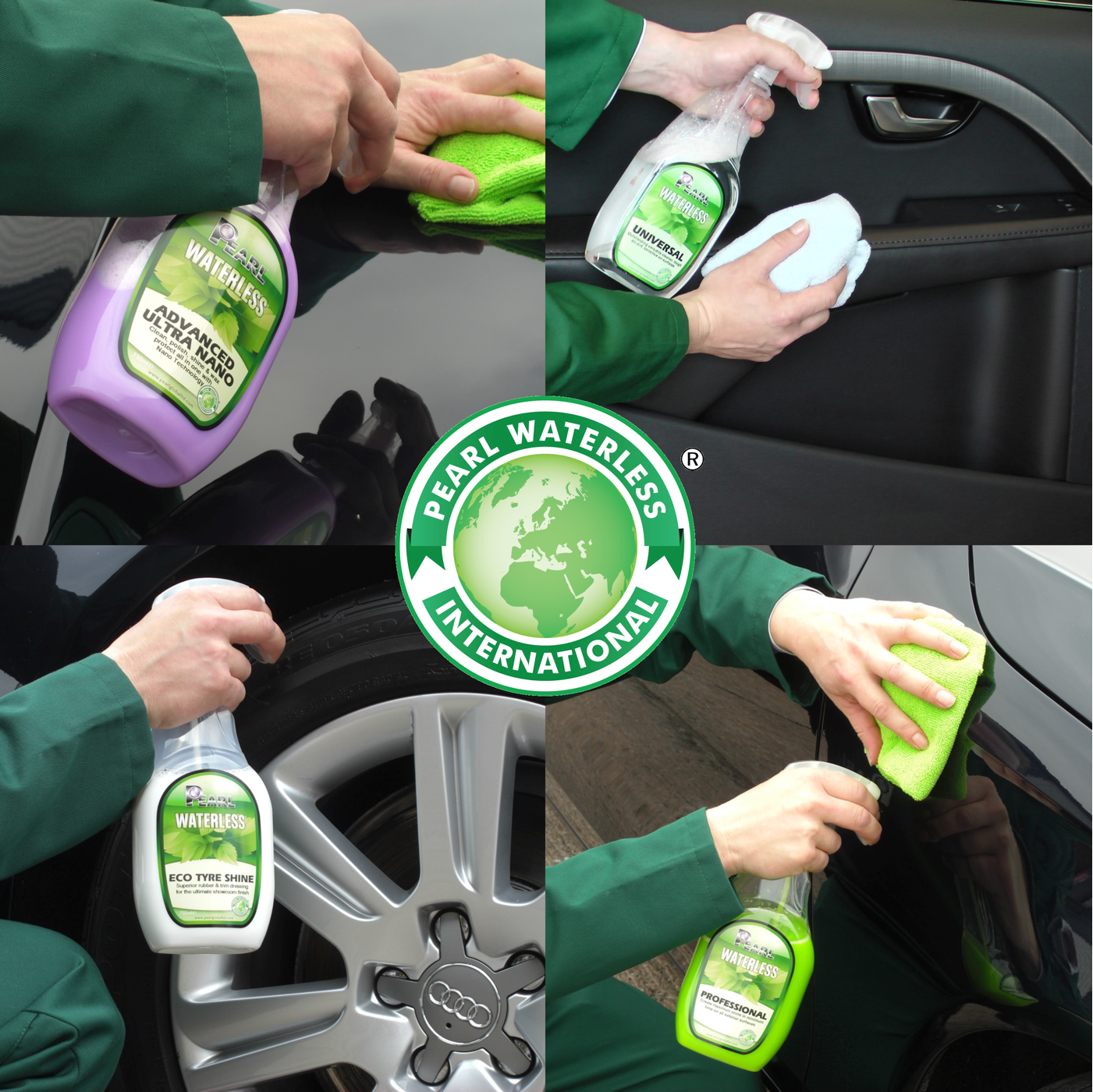
- Trigger spray application systems
- Controlled dosing technologies
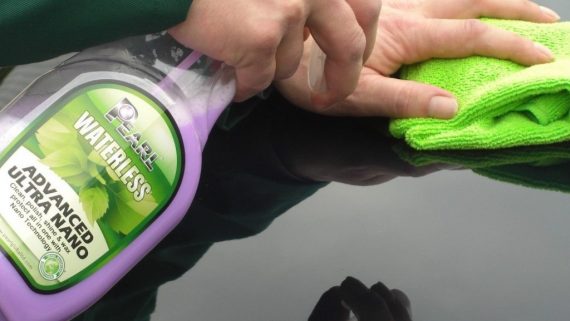
- Waterless cleaning systems
- Microfibre technologies
- Precision coating applicators
- Surface-specific maintenance processes
These developments often focus on improving consistency, reducing waste, enhancing user control, and supporting efficient product performance.
Different environments and maintenance requirements may favour different application methods, which is one reason a broad range of technologies now exists throughout the vehicle care industry.
Manufacturing, Quality, and Consistency
The performance of any vehicle care technology depends upon more than its formulation alone.
A successful formulation developed in a laboratory must also be manufactured consistently, repeatedly, and at scale while maintaining the same performance characteristics from batch to batch.
 Modern vehicle care manufacturing frequently incorporates controls covering:
- Raw material verification
- Formula traceability
- Production controls
- Stability testing
- Batch consistency
- Packaging integrity
- Product performance validation
These controls help ensure that products manufactured today perform consistently with products manufactured tomorrow, next month, or next year.
Quality and environmental management principles increasingly influence modern manufacturing operations. International standards such as ISO 9001 and ISO 14001 provide structured frameworks for quality management, environmental management, process control, and continual improvement throughout manufacturing environments. These frameworks support organisations seeking to maintain production consistency, improve operational performance, and manage environmental responsibilities in a controlled and measurable manner.
For manufacturers, formulation development and production are closely linked. A highly engineered formulation can only deliver reliable performance when manufacturing processes consistently reproduce the intended design.
This relationship between formulation science, production control, quality assurance, and environmental management remains one of the foundations of modern vehicle care technology.
The Influence of Environmental and Operational Requirements
Environmental and operational considerations continue to shape the technologies, processes, and practices used throughout modern vehicle care.
Water availability, wastewater management requirements, operational efficiency, environmental responsibilities, and changing regulatory expectations all contribute to the development of modern vehicle care systems.
Environmental responsibilities now extend beyond product performance alone and increasingly influence water management, waste reduction, resource efficiency, and manufacturing practices.
These factors do not replace traditional cleaning methods, which continue to play an important role throughout the automotive and marine industries.
Instead, they have encouraged the development of additional technologies tailored to different operating environments, contamination challenges, and maintenance requirements.
As vehicle care requirements continue to diversify, technologies continue to evolve in response.
Technical Foundations of Modern Vehicle Care
From contamination removal and surface cleaning to maintenance and long-term protection, modern vehicle care relies upon established principles from chemistry, materials science, manufacturing, and surface engineering.
Surface Chemistry
Modern cleaning formulations rely heavily on surfactant technology. These specialised ingredients reduce surface tension, improve surface wetting, and support the removal of oils, road film, and particulate contamination from vehicle surfaces.
Formulation Engineering
Modern vehicle care products are typically developed as engineered systems rather than collections of individual ingredients. Formulation development frequently balances multiple objectives, including cleaning performance, stability, surface compatibility, usability, and long-term storage performance.
Surface Protection Technologies
Protective technologies such as polymer sealants, ceramic coatings, and advanced surface protection systems have become an established part of modern vehicle care, reducing contamination adhesion, supporting surface condition, and contributing to more efficient long-term maintenance
Quality and Environmental Management
Manufacturing consistency, traceability, and process control remain critical factors in maintaining product quality and reliability. Quality management and environmental management systems provide structured approaches for supporting consistency, continual improvement, and responsible operational practices throughout manufacturing environments.
Technology Continues to Shape Modern Vehicle Care
Modern vehicle care is the result of decades of development across formulation science, surface protection, manufacturing, application systems, and quality management.
The technologies used today reflect changing vehicle surfaces, increasingly complex contamination challenges, evolving maintenance expectations, and broader operational requirements.
Understanding these technologies provides valuable insight into how modern vehicle care has evolved and why effective vehicle maintenance increasingly relies on more than cleaning alone.
Vehicle surfaces, contamination challenges, operational requirements, and environmental considerations continue to influence formulation science, manufacturing processes, and vehicle care technologies. Understanding these relationships helps explain why technology remains one of the key forces shaping the future of vehicle care.
Pearl Quality Standards – engineered properly from the start.
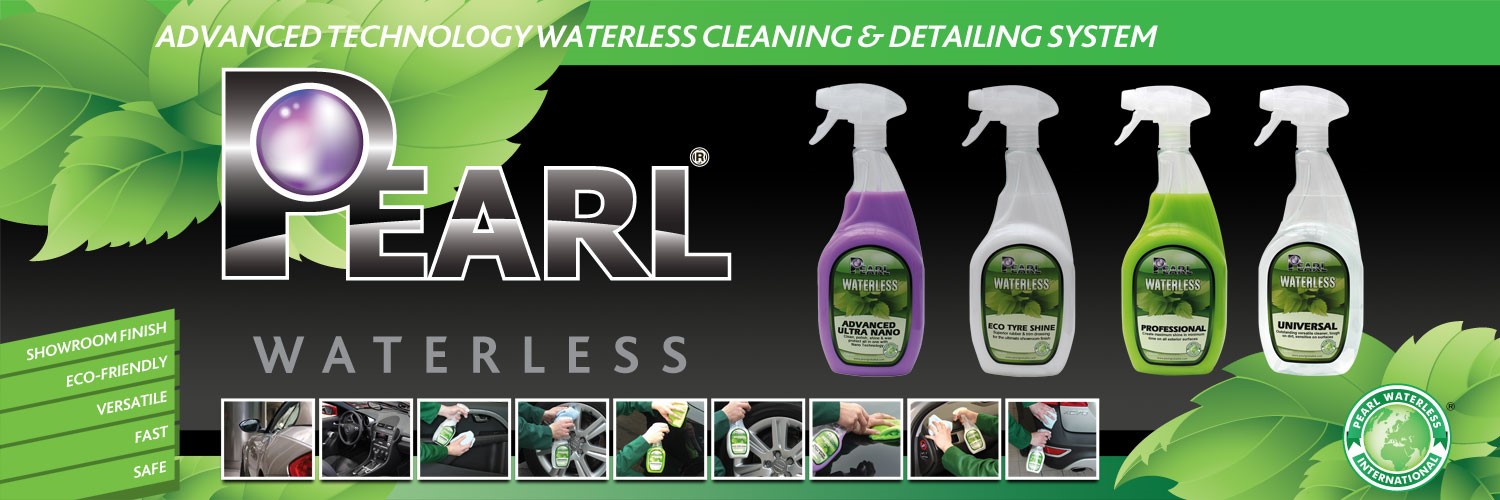
British manufacturing you can trust, partnering with domestic and international customers to deliver sustainable growth and lasting success.
© Pearl Global Ltd — ISO‑Certified British Manufacturing Excellence in Processes, Systems and Product Quality Standards
All Pearl products are engineered using safe, sustainable, environmentally responsible formulations, designed for professional performance with minimal environmental impact. Manufactured exclusively in the United Kingdom and available worldwide in 25L, 205L, and 1000L IBC formats, alongside a full range of premium Nano Ceramic coatings, detailing systems, and specialist maintenance solutions.
For product support or commercial trade enquiries, contact: sales@pearlgloballtd.com | +44 (0)845 874 0140
Stay updated — Subscribe to the Pearl Official Newsletter for product releases, ecological insights, and global business updates.
Pearl Official Channels & Resources
Pearl FAQ – Your central hub for answers to the most common questions about Pearl products, technologies, manufacturing standards, and global distribution.
Pearl Official YouTube – Explore demonstrations, application tutorials, product walk‑throughs, and professional detailing techniques.
Pearl Official Instagram – Discover visual highlights, partner showcases, behind‑the‑scenes content, and professional detailing results.
Pearl Official Facebook – Follow us for updates, product insights, partner news, and global waterless car care innovations.
Pearl Official X – Stay informed with quick updates, industry news, technical insights, and global announcements.
Pearl Official Pinterest – Browse collections of eco‑friendly detailing solutions, product features, and inspirational automotive care visuals.