
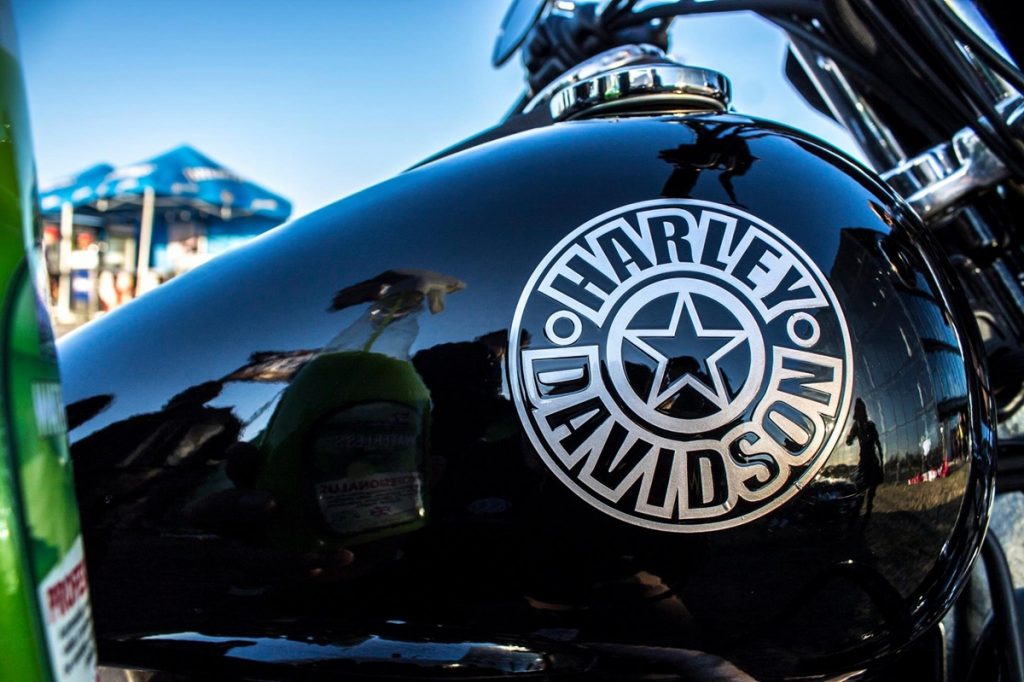
What People Notice About Vehicle Presentation
Understanding the Visible Standards That Influence Vehicle Appearance
Vehicle presentation is influenced by a combination of factors that are immediately visible regardless of vehicle type, sector, or application. Vehicles operating within the automotive, marine, logistics, facilities management, construction, and specialist service sectors are continually exposed to conditions that influence their appearance throughout their operational life.
Cleanliness, surface condition, glass clarity, wheel appearance, and ongoing maintenance all contribute to the vehicle’s appearance. While these factors may appear straightforward, they are influenced by environmental exposure, contamination, and the effectiveness of the maintenance practices used to preserve surfaces over time.
Cleanliness Remains One of the Most Visible Indicators of Vehicle Care
Of all the factors that influence presentation, cleanliness is typically the most immediately noticeable.
Road film, mud, traffic residue, water spotting, and airborne contaminants can affect vehicle appearance. Even vehicles operating under routine conditions are continually exposed to substances that can dull finishes, obscure surface detail, and gradually diminish presentation standards.
Clean surfaces allow paintwork, graphics, trim, and branding to remain clearly visible while providing a more accurate representation of a vehicle’s condition. This is particularly important from a maintenance perspective because contamination can obscure developing issues that may otherwise be identified during routine inspections.
Accumulated dirt and environmental residue may temporarily conceal:
- Fine scratches
- Stone chips
- Surface marring
- Light staining
- Early signs of deterioration
Cleaning does not remove existing defects but makes them visible so that appropriate maintenance can be carried out. In this respect, vehicle cleaning serves a practical purpose beyond appearance alone. It supports inspection, maintenance planning, and long-term asset care.
Surface Condition Extends Beyond Cleanliness Alone
A clean vehicle does not automatically indicate that its surfaces are in good condition.
Paintwork, trim, plastics, rubber components, and exterior finishes are continually exposed to environmental influences that can gradually affect their appearance. Ultraviolet radiation, weather exposure, pollution, and contamination all contribute to the ageing process of vehicle surfaces.
Over time, this may result in:
- Surface oxidation
- Fading
- Staining
- Weathering
- Loss of finish clarity
Unlike temporary contamination, these issues cannot always be resolved through routine cleaning alone. Maintaining surface condition often requires a combination of appropriate cleaning methods, suitable maintenance products, and preventative care strategies designed to preserve materials over the longer term.
This distinction is important because vehicle presentation is influenced by both cleanliness and the underlying condition of the surfaces being cleaned.
The Areas That Commonly Attract Attention
Vehicle presentation is shaped by a combination of visible factors rather than any single element. Instead, it is influenced by the collective condition of several highly visible areas.
Among the areas most commonly affected by contamination, weather exposure, and day-to-day operation are:
- Paintwork and exterior body panels
- Windscreens, windows, and mirrors
- Wheels and wheel arches
- Exterior trim and plastic components
- Graphics, decals, and vehicle branding
- Interior surfaces and storage areas
Each of these areas contributes to overall vehicle presentation and is exposed to different forms of contamination throughout normal use.
For example, wheels and lower body sections routinely encounter brake dust, road film, and traffic residue, while glass surfaces are continually exposed to weather, airborne contamination, and water spotting. Maintaining presentation standards requires attention to the vehicle as a whole rather than concentrating on a single area.
Vehicle Branding Relies Upon Well-Maintained Surfaces
For many organisations, vehicles serve as mobile representations of their business.
Logos, contact information, graphics, and vehicle branding are intended to remain clear and visible throughout a vehicle’s service life. Clean and well-maintained surfaces help preserve the appearance of graphics, decals, and livery while ensuring branding remains clear and easily identifiable.
Contamination can reduce visual clarity, while neglected paintwork, damaged trim, or poorly maintained exterior surfaces may diminish the overall appearance of branding materials.
Logos, contact information, graphics, and vehicle branding are intended to remain visible throughout a vehicle’s service life. Maintaining exterior surfaces helps preserve the appearance of graphics, decals, and livery.
This relationship highlights an important reality. Vehicle branding and vehicle presentation are closely connected. While branding provides identification, presentation helps support how effectively that identification is displayed.
Maintaining Presentation Requires More Than Occasional Cleaning
Vehicle appearance is rarely preserved through occasional corrective action alone.
Regular inspection, routine maintenance, and structured cleaning programmes help manage contamination while supporting the long-term condition of painted surfaces, trim, and other exterior materials.
Regular vehicle care programmes also allow operators to identify issues early, before contamination, staining, or surface degradation becomes more difficult to address.
Effective maintenance often involves a combination of:
- Routine cleaning
- Surface inspection
- Contamination removal
- Surface preservation
- Appropriate protective treatments
When applied consistently, these practices help support both vehicle appearance and long-term asset condition.
Environmental Exposure Continually Influences Vehicle Appearance
Regardless of the operating environment, every vehicle is exposed to contamination.
Many of the factors that affect presentation originate not from neglect but from everyday use. Modern roads, industrial environments, changing weather conditions, and biological contaminants all contribute to the gradual accumulation of unwanted deposits on vehicle surfaces.
Common examples include:
- Road film
- Brake dust
- Traffic residue
- Salt deposits
- Industrial fallout
- Tree sap
- Bird droppings
- Pollen
- Mud and soil
These contaminants vary in composition, severity, and impact, yet all can influence vehicle appearance if left unmanaged.
Understanding the origin and behaviour of these substances is therefore an important aspect of maintaining presentation standards and preserving surface condition over time.
Maintaining Standards Through Effective Vehicle Care
Vehicle presentation reflects far more than appearance alone. Cleanliness, surface condition, maintenance standards, and environmental exposure all contribute to how a vehicle looks throughout its service life. While contamination is an unavoidable part of vehicle operation, the extent to which it affects appearance is often influenced by the maintenance practices used to manage it.
Maintaining high presentation standards is therefore not simply a matter of periodic cleaning. It requires a consistent approach to vehicle care, regular inspection, and an understanding of the factors that influence surface condition over time. By recognising these influences and addressing them appropriately, organisations can help preserve vehicle appearance, support long-term asset care, and maintain the standards expected of professionally managed vehicles.
Pearl Quality Standards – engineered properly from the start.
British manufacturing you can trust, partnering with domestic and international customers to deliver sustainable growth and lasting success.
© Pearl Global Ltd — ISO‑Certified British Manufacturing Excellence in Processes, Systems and Product Quality Standards
All Pearl products are engineered using safe, sustainable, environmentally responsible formulations, designed for professional performance with minimal environmental impact. Manufactured exclusively in the United Kingdom and available worldwide in 25L, 205L, and 1000L IBC formats, alongside a full range of premium Nano Ceramic coatings, detailing systems, and specialist maintenance solutions.
For product support or commercial trade enquiries, contact: sales@pearlgloballtd.com | +44 (0)845 874 0140
Stay updated — Subscribe to the Pearl Official Newsletter for product releases, ecological insights, and global business updates.
Pearl Official Channels & Resources
Pearl FAQ – Your central hub for answers to the most common questions about Pearl products, technologies, manufacturing standards, and global distribution.
Pearl Official YouTube – Explore demonstrations, application tutorials, product walk‑throughs, and professional detailing techniques.
Pearl Official Instagram – Discover visual highlights, partner showcases, behind‑the‑scenes content, and professional detailing results.
Pearl Official Facebook – Follow us for updates, product insights, partner news, and global waterless car care innovations.
Pearl Official X – Stay informed with quick updates, industry news, technical insights, and global announcements.
Pearl Official Pinterest – Browse collections of eco‑friendly detailing solutions, product features, and inspirational automotive care visuals.